Tea has been drunk for hundreds of years. Camellia sinensis is a steady fixture in an ever-evolving world, maintaining its relevance regardless of industrialization, war, or societal drift. What has changed is how we drink it and the culture surrounding it. How people drink tea now is different from how people drank tea a hundred years ago and a hundred years before that. As times change, people change. So does tea.
Our personal experiences with tea culture depend on where and when we grow up. Born in America, I grew up with a time- and distance-diluted version of British tea culture. Tea bags in mugs were the go-to, even for my “fancy” tea parties as a kid. Nearly all teas were black teas, Earl Grays and English Breakfasts, and every cup was a mug or a coffee cup. It was rare to see someone use a teapot, and the few teapots I did see were often relegated to high shelves in closed cabinets. Without exposure to other cultures, I thought the British tea service was the height of tea culture; I didn’t even know different methods of brewing tea existed. Little did I know that my fascination with the western teapot would lead to discovering an entire history of brewing vessels and falling in love with each one.
In tracing the course of modern brewing vessels throughout history there’s no way to talk about them all in one short blog post. Imagine this as a highlight reel instead, hitting on the major ways people brew tea around the world. To start, as with anything tea-related, we have to go back to the source: China.
The Tea Bowl, or Chawan
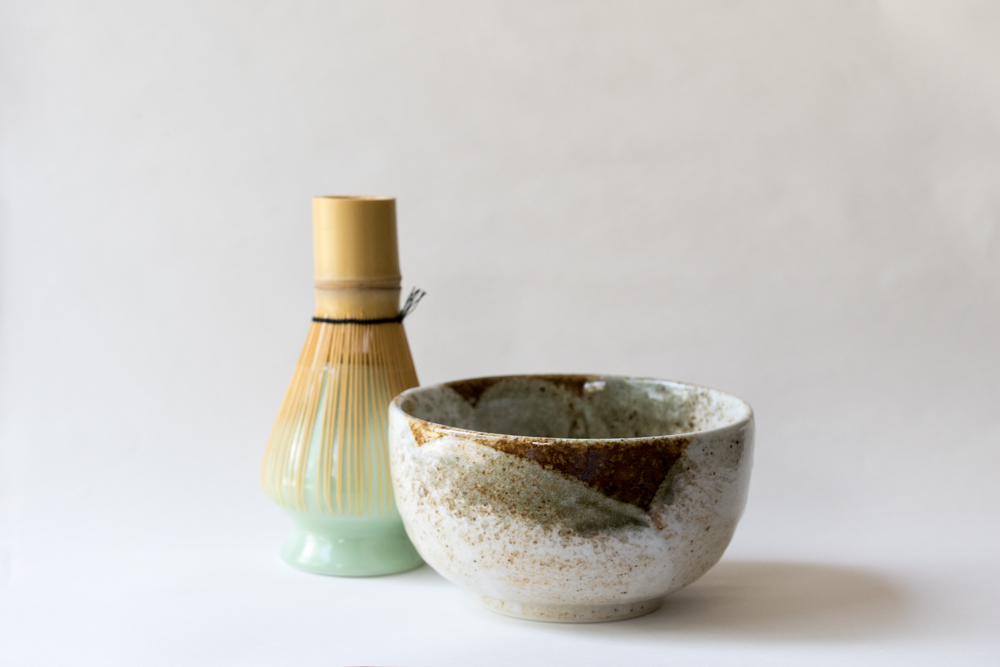
When tea was first discovered, it was often prepared by boiling it in a kettle alongside herbs, fruits, and rice. This soupy mixture was served from the kettle in bowls. After Lu Yu’s Classic of Tea pushed the secondary ingredients out of the kettle and promoted the grinding of tea into a fine powder, tea preparation spread and shifted to something similar to matcha. Throughout this transition, the bowl changed to accommodate the preparation, becoming deep and wide to facilitate the whisking motion. Tea bowls were both the first brewing vessel (outside the kettle) and the first drinking vessel, created and used in China and spread along the Silk Road and Japan.
Unfortunately, the Chinese tradition of whipped tea was lost to the Mongol invasion, so the current version of the tea bowl, the chawan, has its roots in Japan. There the whipped tea tradition thrived and grew, and the style of the chawans in use today stems from the tradition of wabicha, a cultural and aesthetic movement created by Japanese tea master Sen no Rikyu (want to learn more? Check out last month’s tea post here!). Wabicha favored handmade chawans, made from locally-sourced materials, with a focus on nature. While locally-made chawans are a little harder to find today, many modern chawans are still made from earthenware and favor simple designs that highlight the material or its handmade quality. They are usually glazed or made of other hard non-absorbent materials, and come in a variety of shapes and sizes. Most maintain their low and wide profile as they are still primarily used for preparing matcha.
The Yixing Teapot
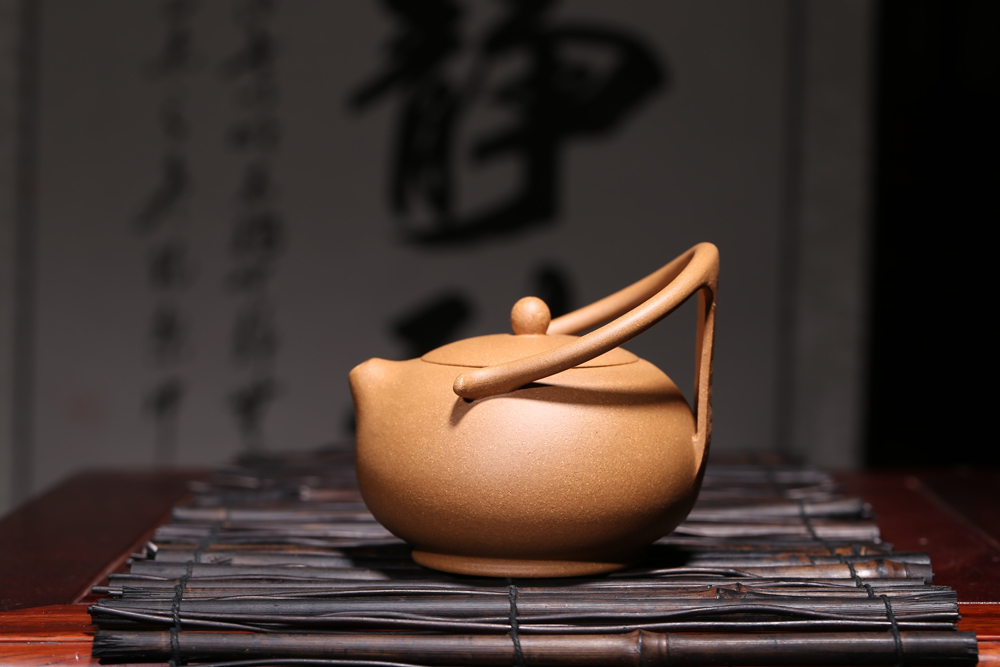
After the dissolution of the Mongol-led Yuan dynasty, China realized much of its tea culture had been destroyed and sought to rebuild it. Steeped whole-leaf tea began making its rounds throughout scholar circles and eventually spread across the country. In order to steep the tea, one of the most important vessels ever was created in the city of Yixing: the teapot.
The Yixing teapot is credited as being the first teapot in the world. What precipitated the creation of the teapot is unknown, though some theorize that the spout and handle design was inspired by wine jugs used at the time. Whatever the reason, the design caught on and spread far and wide.
There’s something special about the teapots made in Yixing that can’t be replicated elsewhere in the world: the clay. A special clay composition, called zisha, is what makes teapots made around Yixing special to this day. Zisha clay is red-purple in color and, when fired, creates a smooth appearance while maintaining a high level of porosity. As tea is brewed within the teapot, the clay absorbs the flavor and aroma of the tea and develops a patina with continued use. This patina seeps some flavors and aromas back into any tea that is subsequently brewed. Much like seasoning a cast iron skillet, brewing tea in a Yixing teapot that has been frequently used adds new flavors and aromas to any tea brewed within.
Most Yixing teapots are small, as they are often used for gongfu brewing (brewing multiple, short steeps). They typically use a higher leaf to water ratio and, due to the seasoning effect, are only used to brew one type of tea at a time (i.e., only one pot is used for oolongs, one for greens, one for blacks, etc.). Importantly, Yixing teapots are expensive. As the clay is only found near the city of Yixing, the amount of teapots made is much smaller. No true Yixing teapot will ever be equivalent in price to a porcelain or earthenware teapot; watch out for scammers.
The Gaiwan
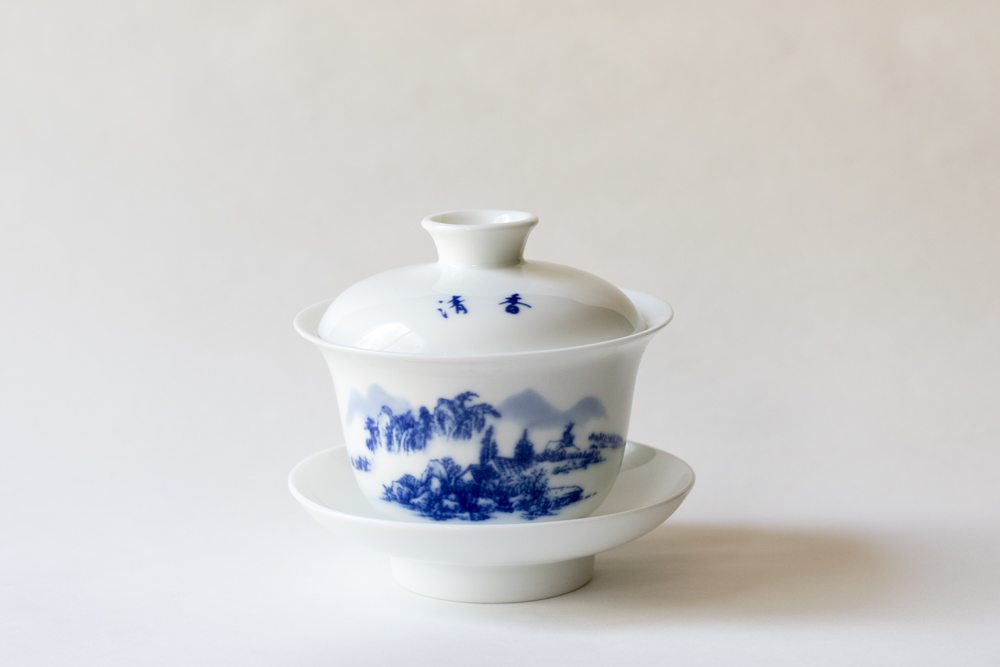
The history of the gaiwan is a bit murky. No sources could give me an exact history of how the gaiwan came to be, only that it suddenly showed up in depictions of tea drinking across the social strata of China. Used for steeping whole leaf tea, the gaiwan is thought to have been an economical two-in-one brewing and drinking vessel, a loose leaf tea version of the tea bowl.
Comprised of a cup, a lid, and occasionally a saucer, gaiwans made drinking tea easy. After steeping leaves in the cup, one would raise the cup to their lips (aided by the saucer as the cup would be hot) and use the lid to hold back the leaves as they sipped the tea. At some point, a shift occurred from using the gaiwan to both brew and drink to only brewing. It was then incorporated into the gongfu tea practice, using the gaiwan for short, multiple steeps in the same way the Yixing teapot was.
Most gaiwans are small, as pouring is usually done with one hand, but can come in all shapes and sizes. The saucer is now considered less important, and many gaiwans are sold without them. A variety of materials are used for modern gaiwans, but they trend heavily towards porcelain or glazed earthenware.
The Kyusu
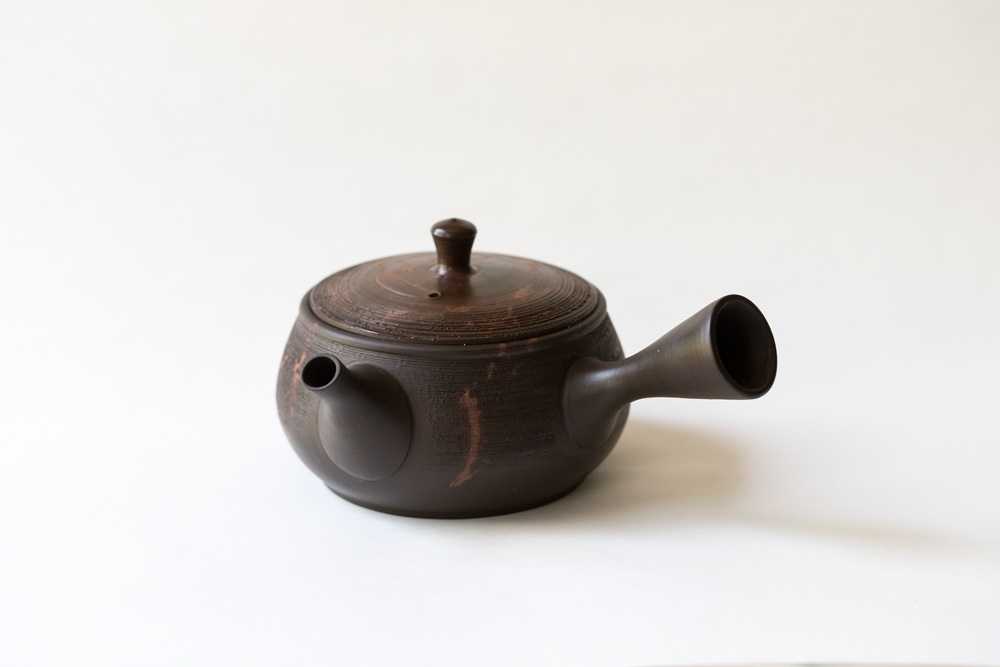
After China created the Yixing teapot, teapots of all materials became available on the market. One of China’s closest trading partners, Japan, took to the teapot and loose leaf tea enthusiastically. While kyusu means “teapot” in Japanese and can mean any kind of teapot, the term has come to mean the unique Japanese-made teapots that have one slight structural difference from other teapots: the side handle.
Not all Japanese teapots have a side handle; many have handles in the back or on the top, like the Chinese or western teapots you might be familiar with. It’s the teapots with the side handles that have been dubbed kyusus by the western world, as the side handle is unique. The aesthetics of kyusus also follow that of the chawan, favoring natural-looking materials and a handmade look. Many kyusus are earthenware with a vitrified, or hardened, interior to keep the tea taste pure for each brew. That said, there are many kyusus made of a variety of materials and in many different sizes, from the size of a Yixing teapot to the size of a western one. The Japanese style of loose-leaf brewing tends to favor the flavor of the first steep, so the size matters less than the careful measurement of leaves to water.
The Western Teapot
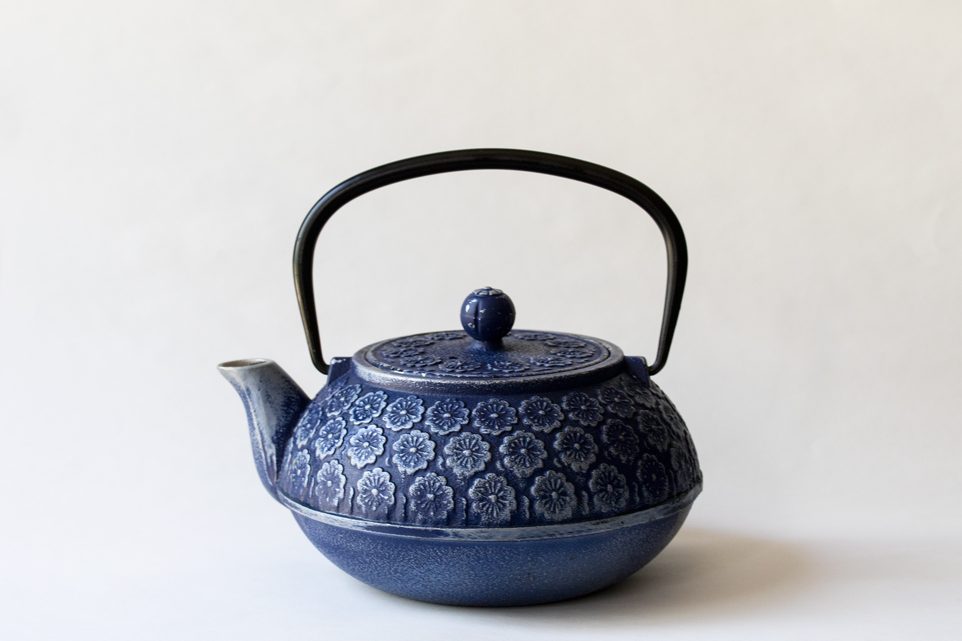
Britain and Europe often relied on China not just for tea, but also for teapots. They didn’t care so much for the Yixing clay- and China didn’t particularly like trying to ship it overseas- but adored the hard, decorated porcelain. This was a boon for China, who could ship porcelain on the bottom decks of ships without fear of salt water deterioration, but also because the west had no idea how to make porcelain. The Europeans attempted to create porcelain teapots and had a few close tries (which exploded on impact with boiling water, making them useless for tea), but for decades after tea established a culture in the west, all porcelain still came from China.
When the west did figure out porcelain, the teapots mimicked the Chinese teapot styles. They gradually grew larger, more decorative, and became status symbols. Most western-style teapots today still maintain their large size and a higher water to leaf ratio but are no longer restricted to porcelain. They come in a variety of materials, sizes, and decorations, most of which retain a hard surface on the inside so one pot of tea does not influence the next.
One thing that has changed throughout the history of the western teapot is the strainers. Originally, and for most non-western teapots still today, the strainer for the leaves would be built into the pot, right in front of the spout. Industrialization and the rise of teabags made these filters obsolete. Now, modern western-style teapots may come with a stainless steel mesh strainer to hold loose leaf tea, though they are easily bent and hard to clean.
There are so many unique brewing vessels in the world- this in no way is a complete or thorough list. Even today you could consider the humble coffee mug a new brewing vessel, or the machines being made that act like tea Keurigs. As the history of tea and its evolution in culture continues, new vessels will pop up that we may not notice today as anything special (like the mug) but may become so synonymous with tea in the future that future tea lovers will write entire histories about their humble beginnings. Here’s to the past- and the future- of all the objects we use to make tea.
The sources I used for this post are below:
Teapots through the Ages by Laura Everage (link downloads a PDF of "Fresh Cup" magazine, Issue Dec. 2006)
The Timeless Perfection of Yixing Teapots by Si Chen, Tea Journey magazine
What is a Kyusu Teapot? by Red Blossom Tea Company
Pictorial History of Gaiwan by Leo Kwan (I really enjoy this one)
Chawan: An Intro to the Gracefully Simplistic Japanese Tea Bowl, by The Art of Japanese Tea
 Tea Reads
One thought on “Brewing Vessels”