When I started Tea Reads back in January, the first thing I struck from my vocabulary was the word “review”. I had no interest in placing books on a numerical scale or following standard book review formats. To describe my thoughts on the books we read each month, I settled on the word “reflection”. It affords me more flexibility to talk about what I want and lets me gush or rant as needed. Casting off the idea of the “review” has helped me translate my thoughts about books into words. Now, I hope to apply the same idea to tea.
Umi Tea Sets reached out to me on Instagram a couple of months ago asking if they could send me some free tea in return for a blog post. I agreed on the condition that I could be 100% honest in whatever I wrote and they accepted my condition happily. It left me wondering, though, how do I approach a tea reflection? Identifying flavor notes is still new to me and there’s so much tea in the world I’ve yet to try. I worried about getting things wrong, but I realized that worry isn’t part of my tea practice. Mindfulness is. Practice is. Reflection is.
Tea is, for the most part, a subjective experience. Certain flavors, textures, and smells will hold different values for everyone. This is not an objective “review” of tea; this is a personal reflection. With that out of the way, I hope you’ll join me as I share my notes and experiences while getting tea drunk, gongfu style, on Umi Tea Set’s Colorful Tea.
Dragonwell (Longjing) – Steeped between 175℉ – 185℉
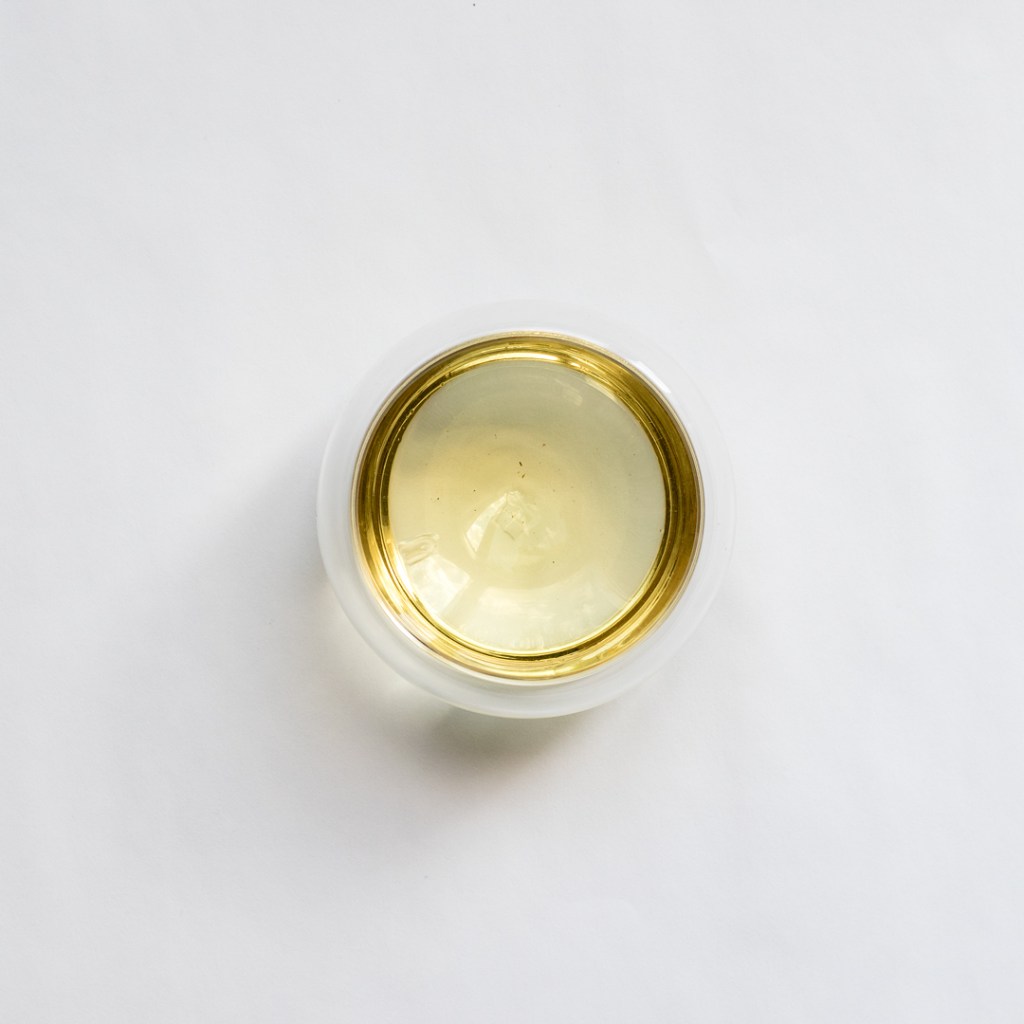
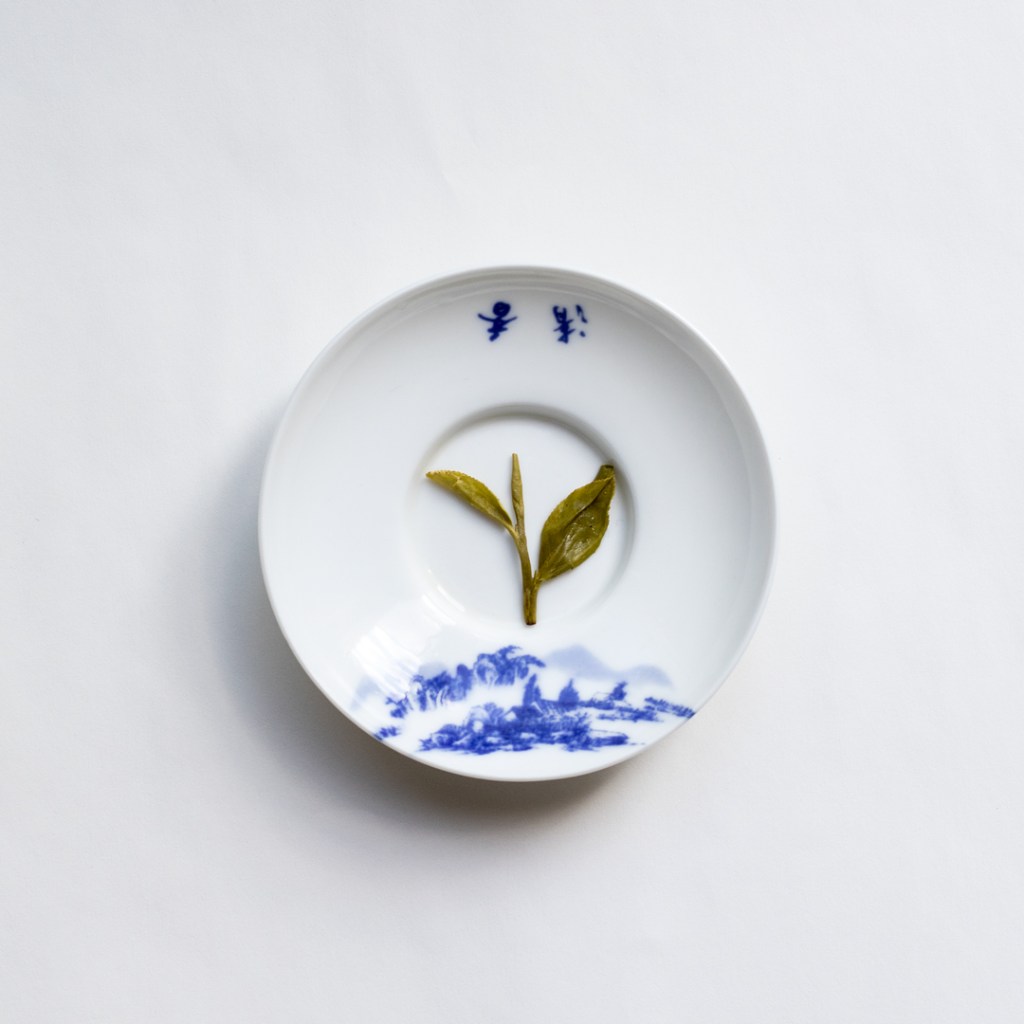
Dragonwell is an old friend. It was the first unblended green tea I ever tried and still holds a place on my tea shelf. There are many varieties (as the original cultivar, grown in the right region, is tricky to get a hold of) but all greet my senses in much the same way. This one was no different.
The smell of the dry leaf was darker than I was used to, the light vegetal smell underscored by something deeper and green. That darker smell didn’t translate into the wet leaf, instead becoming brighter, more vegetal. The first few steeps were light on the tongue, a hint of astringency hitting the edges of my mouth before being soothed away. Initially, the taste reminded me of bean sprouts or edamame. As my steeping times elongated, the bean sprout taste receded to be replaced with a nutty sweetness that prompted me to write “NUT” in big, block letters in my journal, circling it a few times for emphasis.
I ended the session much like I leave a night out with a friend I don’t see often enough: by making plans for the future. I gathered the spent leaves and separated them into jars of cold water in the fridge with a promise I’d see them again in the morning. When I arrived for breakfast, they were waiting for me: crisp, cool, and full of that sweet vegetal liquor. They were my companion all morning long.
Iron Goddess of Mercy (Tieguanyin) – Steeped between 195℉ – 203℉
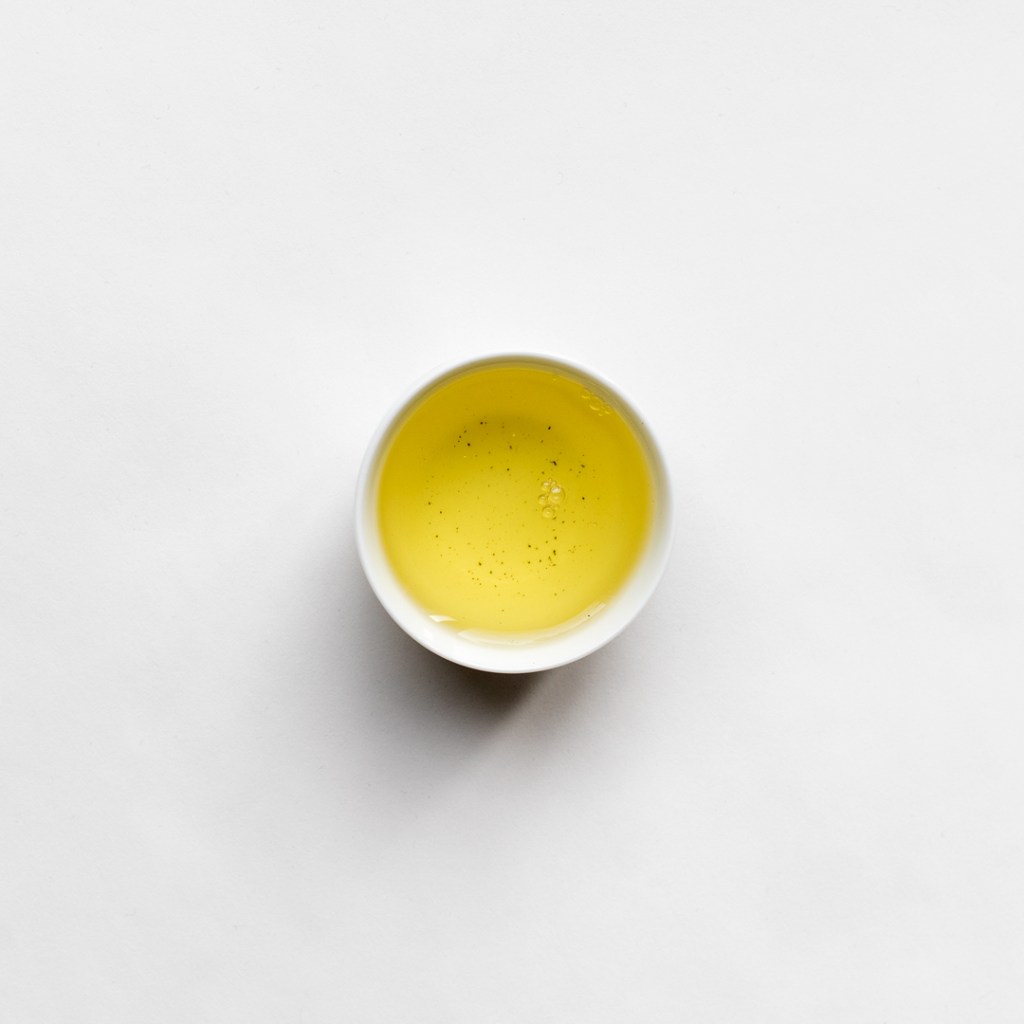
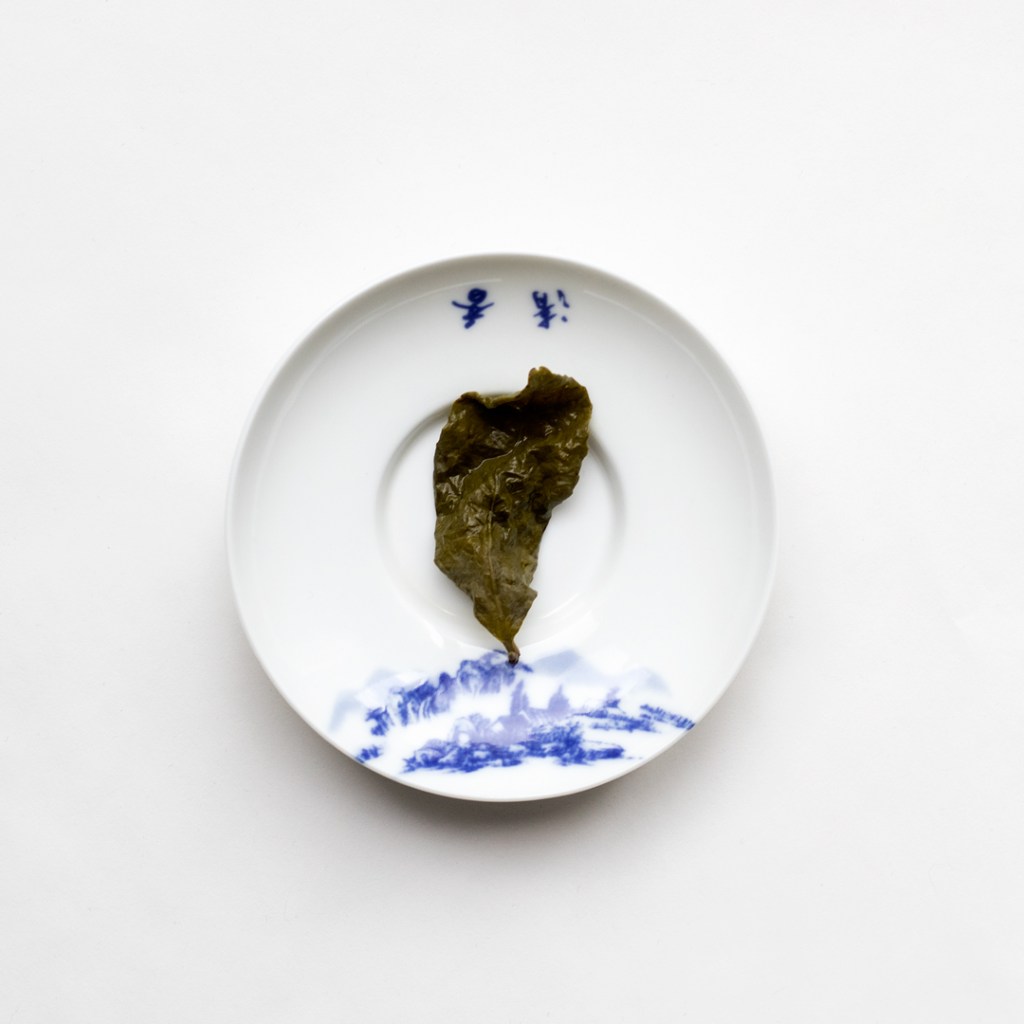
If there’s one thing my friends can count on me for, it’s drama. Not for anything in my life- I loathe real, interpersonal drama and strive to be as boring as possible- but for the things I own and the narratives I consume. I own capes, consume tragedies, and thrift clothes I have to work up the courage to wear because they all exude drama. When I began my journey into tea, I chose my first oolong based on the English name. C’mon, Iron Goddess of Mercy? That’s drama.
Funny enough, tieguanyin is rarely as dramatic as its name. I smelled the familiar grassiness of the dried leaf and expected much the same experience as I’d had with other tieguanyins. I poured the water into the gaiwan and let the first steep sit. When I pulled back the lid, the Iron Goddess herself kicked me in the face with the smell of sweet snap peas, throwing my expectations out the window. The first sip confirmed what I’d smelled, the tea velvety and thick on my tongue. I was a kid again, shelling snap peas from the garden at the kitchen counter, knowing I’d get to eat them later that night. Further steeping evolved the sweetness to more of a bitter veggie, closer to that of green beans, but the liquor remained round and thick the entire session.
That little bit of drama made me wonder what more the leaves had to give and so, again, these leaves ended up in the fridge. The morning cold brew was more placid, a refreshing, grassy treat to relax with as the sun rose.
Dragon Pearl Jasmine – Steeped between 167℉ – 176℉
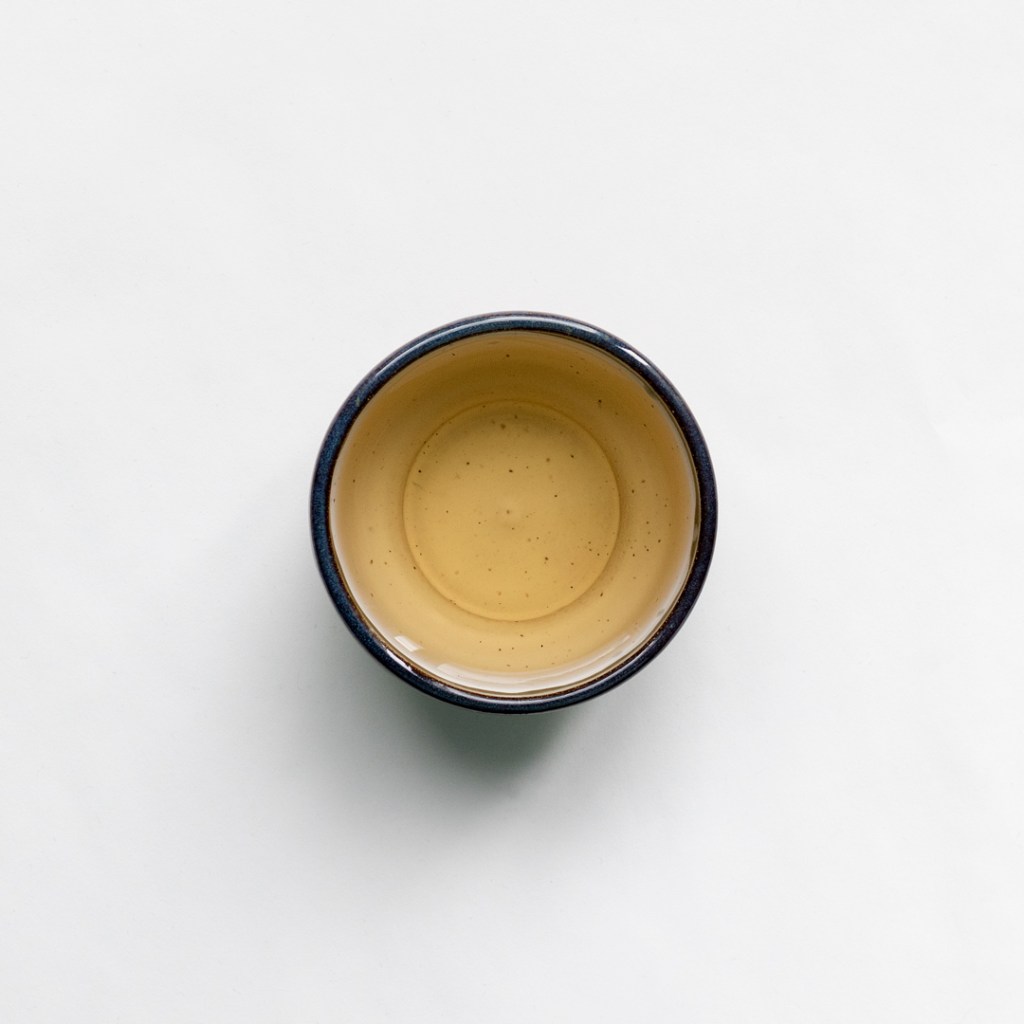
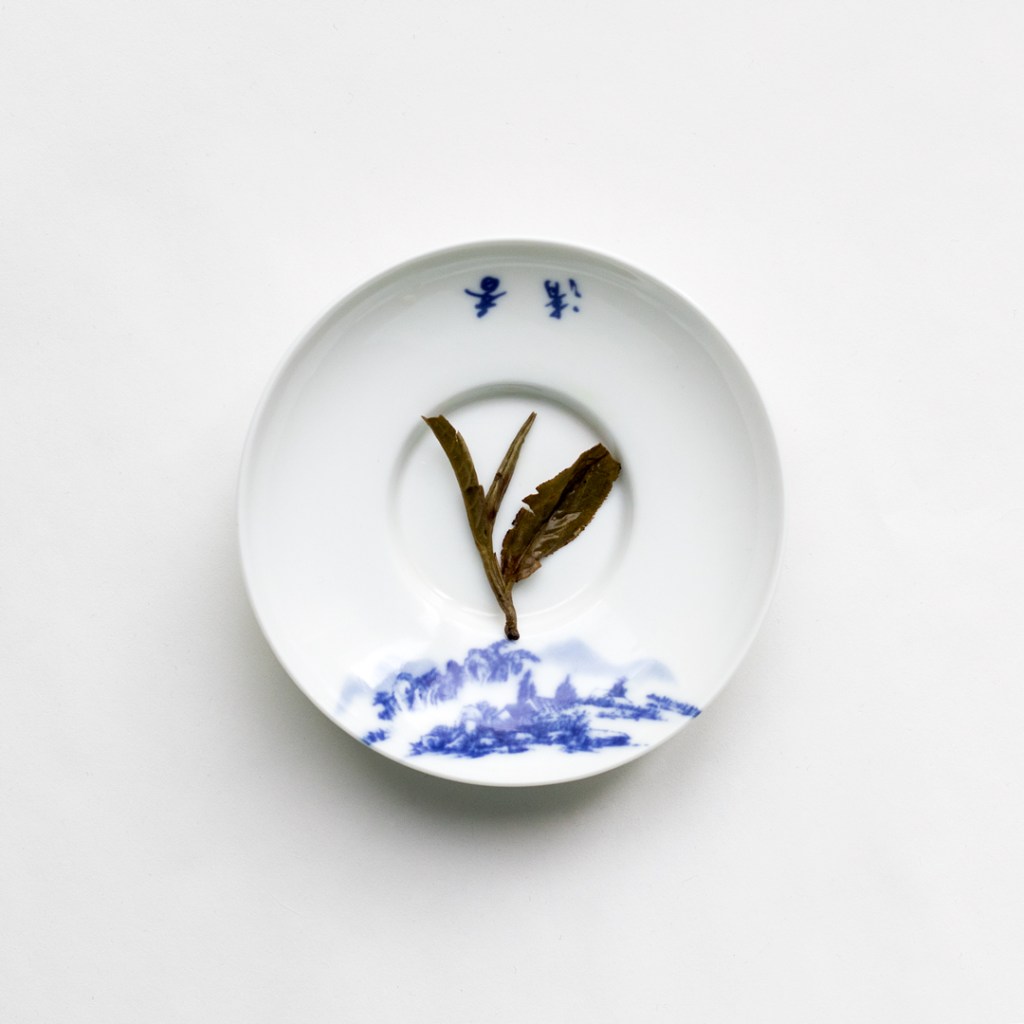
Here’s a fun fact about me: my tea journey began with a kid’s show. Iroh, a character in Nickelodeon’s “Avatar: The Last Airbender”, was the anti-hero’s tea-loving, quietly powerful uncle. His favorite tea? Jasmine. A little soft spot in my heart is reserved for Iroh and jasmine teas. Thankfully, it’s hard to ever find one that disappoints.
Smelling the open tin, the jasmine pearls leaned into their floral, candy-like aroma. The resulting tea was green and sweet, as expected, but smelling the wet leaf offered a surprise: a dark hint of molasses that put me in mind of brown sugar. Curious, I steeped this tea longer and longer, watching the leaves unroll, but, sadly, the molasses never appeared. What started as a delicate jasmine ended up a strong, floral drink that was light on the tongue. Though it ended up as a one-note tea, it was still a pleasant session that warmed my chest right through.
To be sure the leaves had given it their all, I bottled them and stuck them in the fridge overnight (are you sensing a pattern here?). The next morning, cold jasmine woke me up with the taste of candied flower petals resting on my tongue.
Ginseng Oolong – Steeped between 185℉ – 195℉
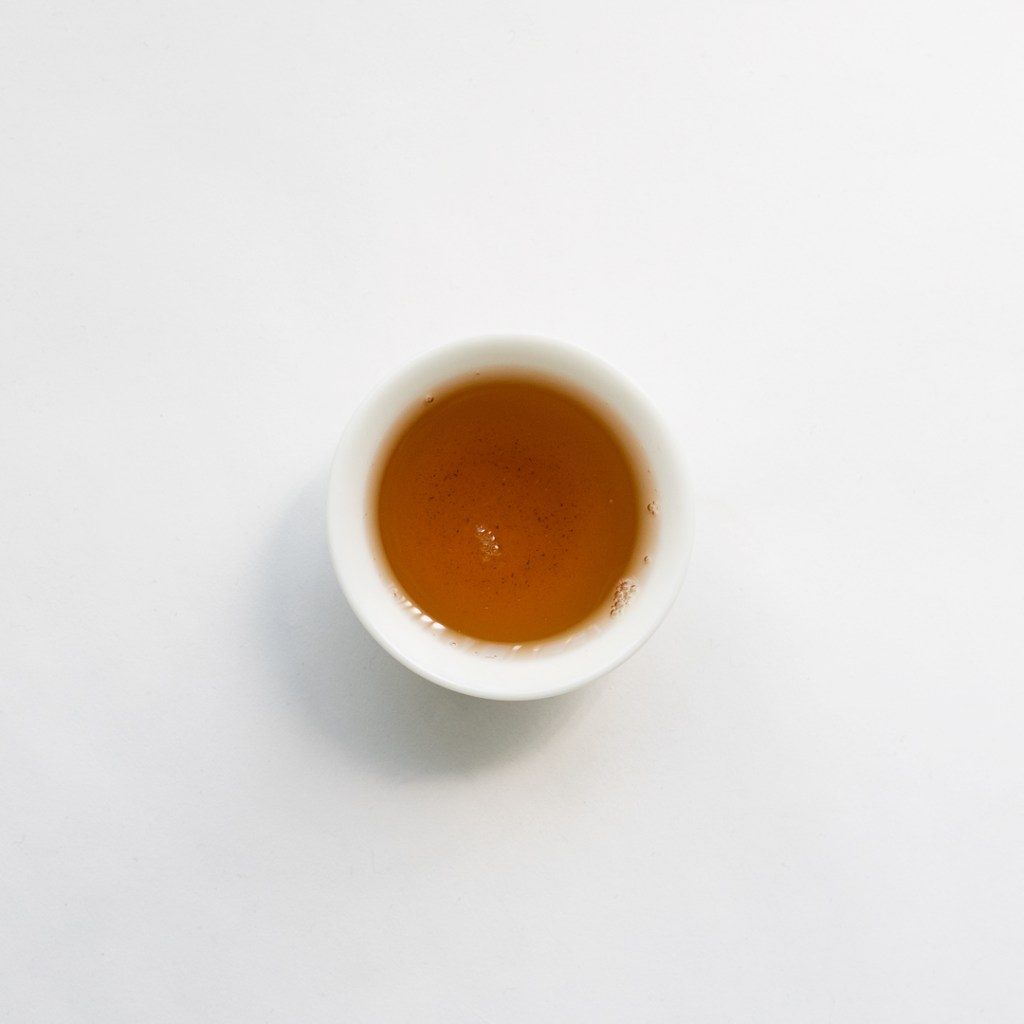
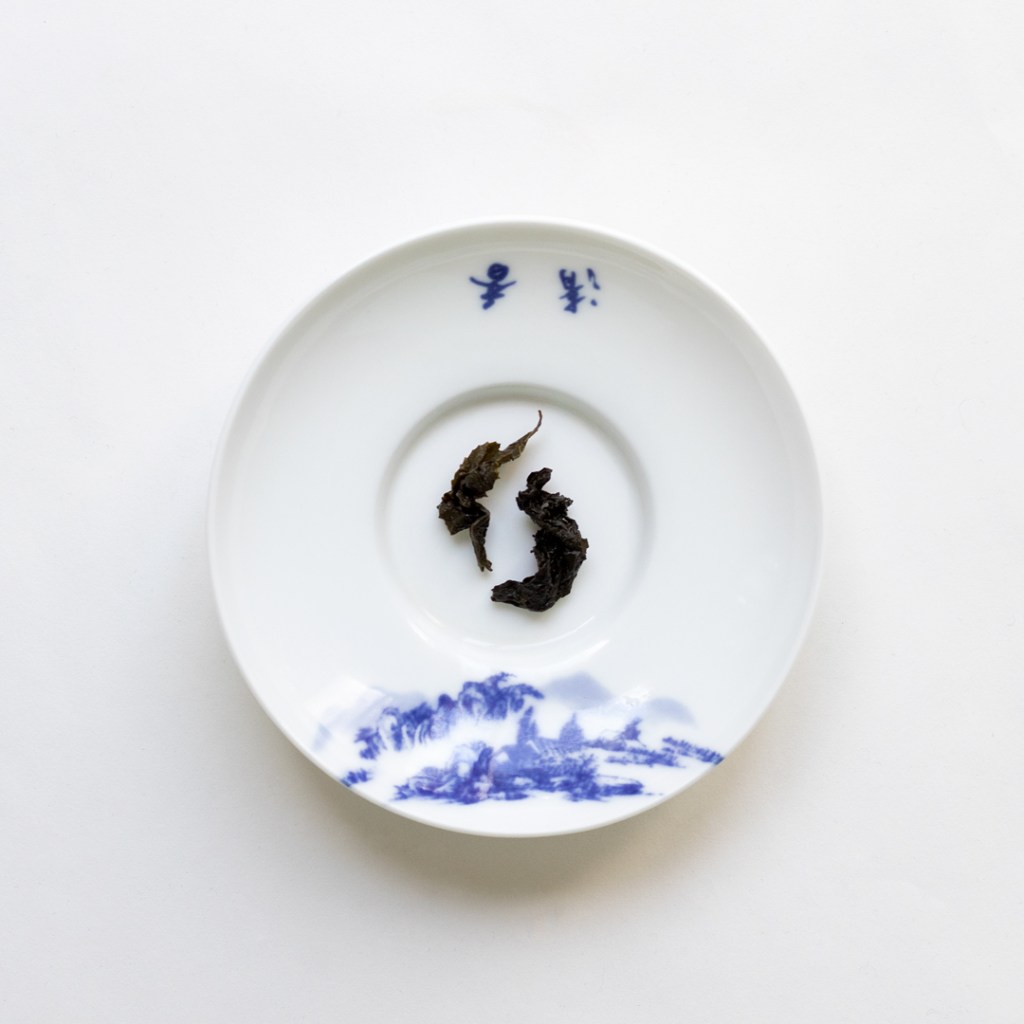
This was the first tea I tried that I was wholly unfamiliar with. I looked at the pellets in the tin, each one containing a leaf, and tried to remember the last time I remembered eating something with ginseng (I couldn’t recall). The pellet form of the tea was also new to me and put me in mind of Dippin’ Dots.
Since ginseng was unfamiliar to me, I had trouble describing the smell. It was herbaceous, but with no reference point, I settled on describing it as turmeric. As the pellets began to dissolve, the smell solidified into something medicinal, bringing with it hints of spices and florals. I poured my first steep and, much to my surprise, realized that most of the pellets were still intact. The first sip was light, with a vague herbal feel, but I knew I hadn’t given it enough time. I doubled my steeping times and continued.
The first several steeps remained light and herbal until, after several minutes, the pellets broke down completely. The tannic taste of a heavily oxidized oolong mixed in with the ginseng and the liquor grew heavier as it passed my tongue. I continued steeping but found very little evolution past this point. To ensure I’d broken down the pellets and allowed the leaves to fully open, I steeped the leaves western style to see if it would alter the flavor. After a long steep in the teapot, I found no noticeable change.
This was the first and only tea in the set that I don’t think I’d drink again. It comes down to personal preference, though- if you like ginseng tea, this may be something you enjoy.
Bi Luo Chun – Steeped between 165℉ – 176℉
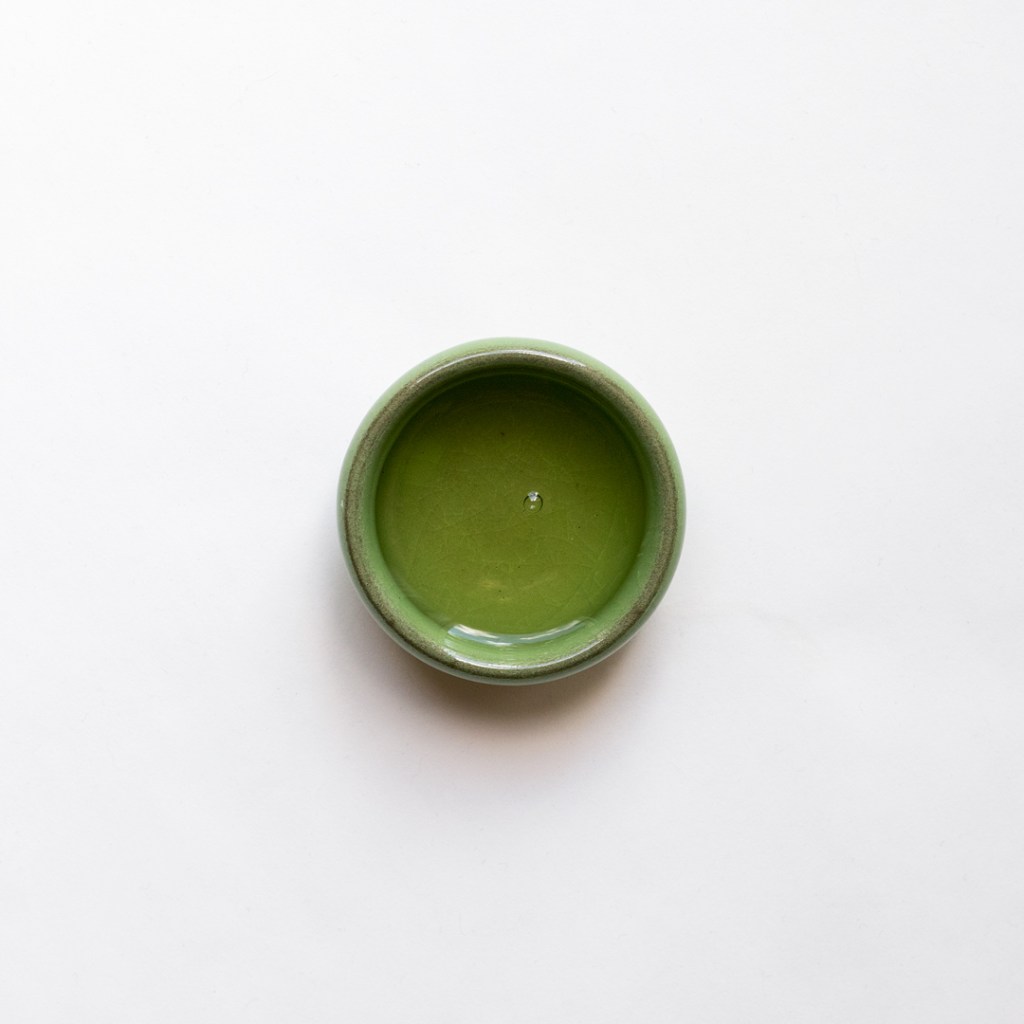
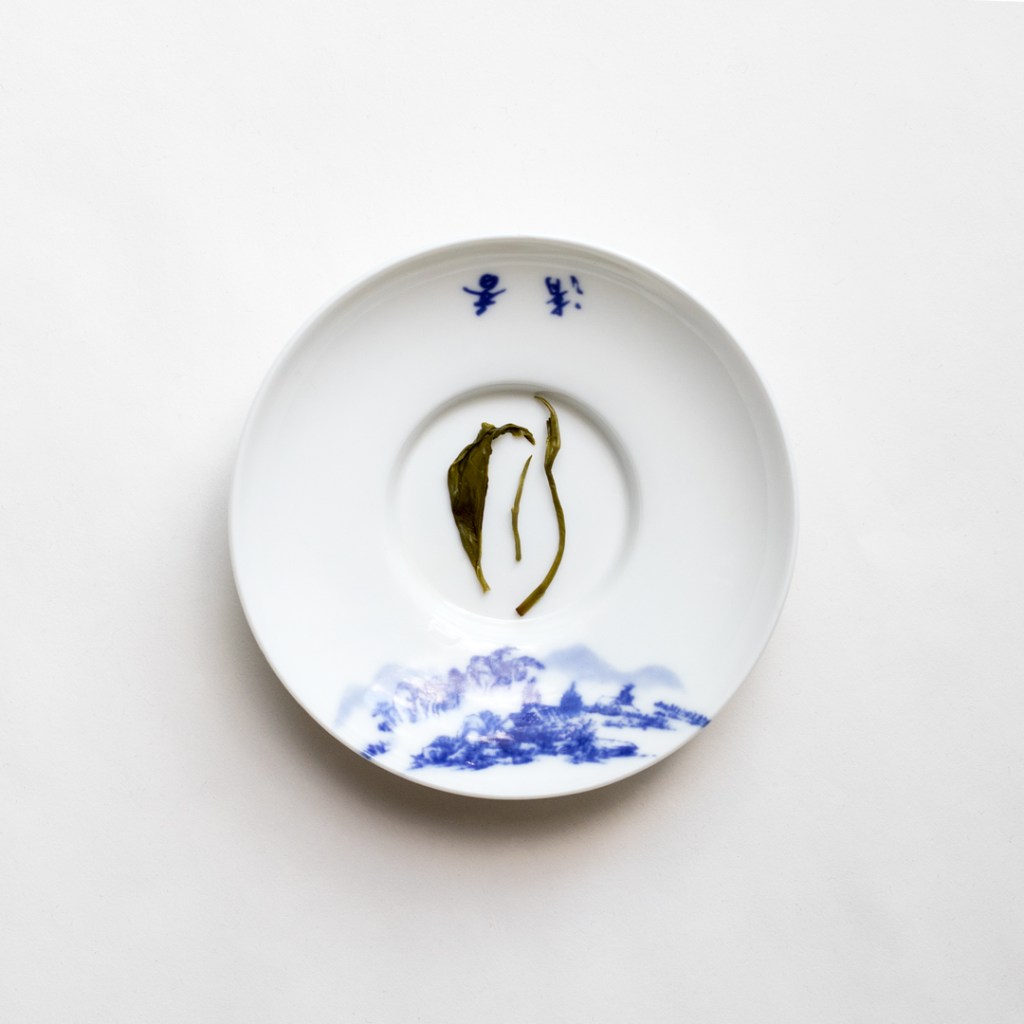
Another new tea for me, Bi Luo Chun means “Green Snail Spring” and is known for having a strange smell and curled leaves. Excited for the weird smells, I sniffed the dry leaf eagerly, but could discern no strange smell; in fact, it smelled quite lovely and floral. It wasn’t until I sniffed the gaiwan after the first steep that my nose scrunched up involuntarily. My notebook has the word “Funk” underlined several times. There was no better word for it.
The funk didn’t put me off. With zero expectations, my first sip was an extraordinary sensation. I hadn’t expected sweet, bold, or umami to come from this tea, but all three were present. The faint taste of sea air was thick on the tongue, making me think of sencha. A light astringency hit the back of my throat- not much, but some- and quickly faded the further into the session I went. Along the way, the bold, savory taste quieted and the first hint of sweetness crescendoed. By the time I considered the leaves spent, the floral sweetness had won the day and the savory flavor was only present in the lingering smell of the gaiwan.
You can guess where this is going. What can I say, I don’t like wasting perfectly good leaves! The eventual cold brew ended up tasting like a delicate infusion of carrots, sweet and vegetal. It was quite light, so I may have spent the leaves before cold brewing.
Phoenix Mountain Oolong – Steeped between 195℉ – 203℉
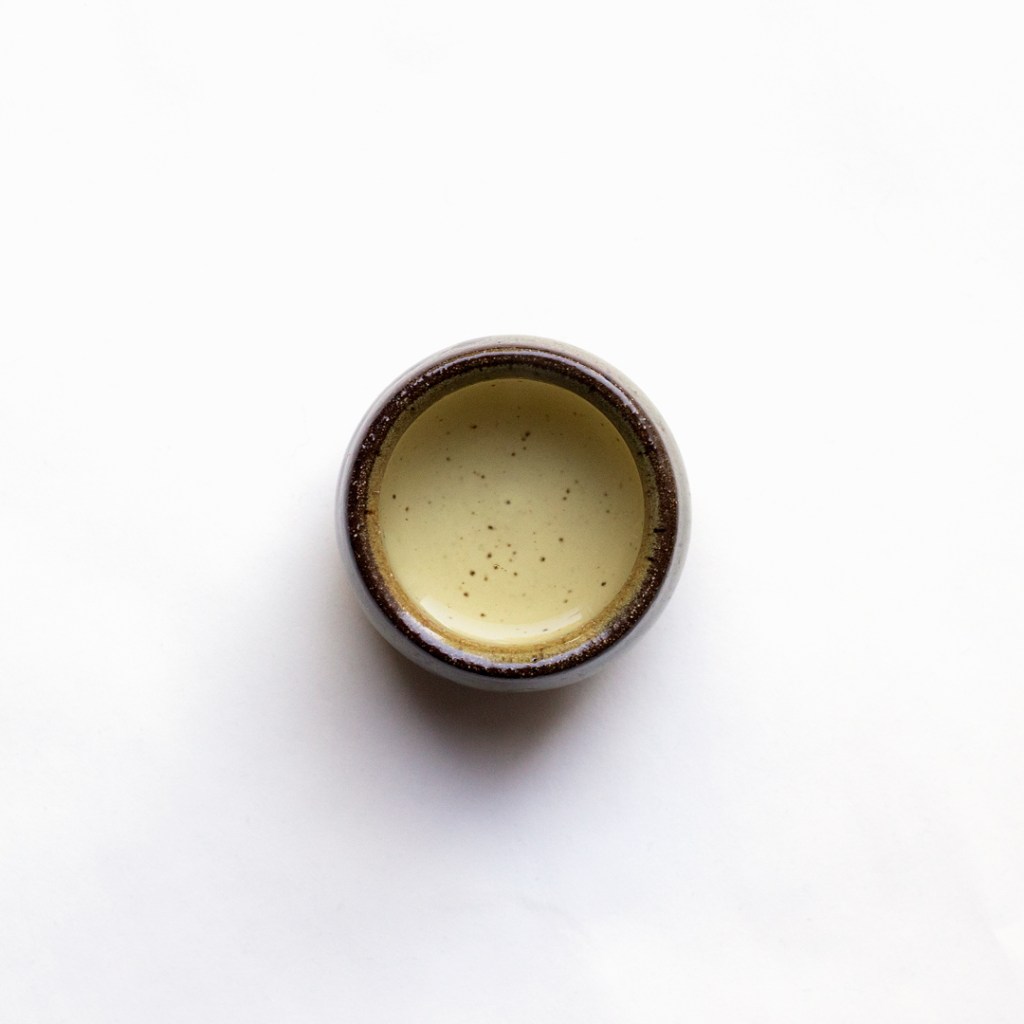
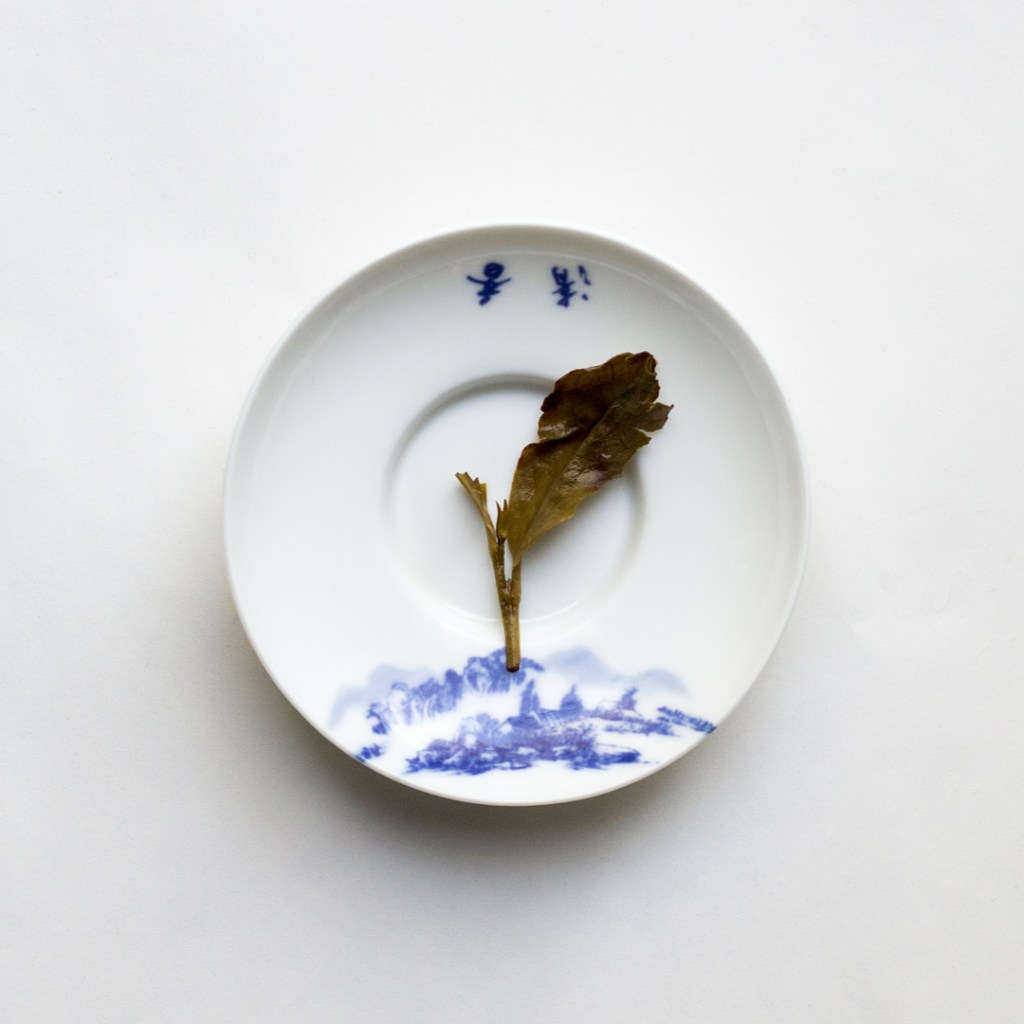
I don’t like finishing things. One serving of good tea will sit on my shelf for months because I refuse to drink the last bit. I’ve sunk hours into video games only to stop two hours before the finale because I don’t want it to end. My partner once bought me fancy, Italian chocolate that I refused to eat because then it would be gone. I saved the Phoenix Mountain Oolong for last because, like all things wonderful, I want it to stay forever.
It didn’t disappoint. What I smelled in the dry leaf- wet grass after rain, lightly fruity- translated to the cup. The first sip was earthy, with a vague sweetness that lingered on the roof of my mouth, a portent of things to come. As the steeps progressed the sweetness grew more pronounced, mingling on my tongue with memories of a humid hike in the Cascades. The mild, fruity sweetness helped bring out the mineral flavors of the leaves, becoming what I dubbed “Earth Candy”, another phrase that entered my journal and now will never leave my lexicon. Like sucking on a copper penny, the tea kept my tongue dancing along its edges, feeling all the nooks and crannies as it settled into a mouthful of mossy tree bark.
It took a lot of willpower to leave the session but I’d been drinking for a good hour and was pleasantly tea drunk. I, for the last time, began cold brewing the leaves in the fridge and left them overnight. The resulting tea wasn’t “Earth Candy”, but it was a refreshing drink, still maintaining the rainy day flavor. The result left me feeling like I was drinking from a natural spring on an overcast morning.
From the first tea to the last, this experience challenged both my taste buds and my writing skills. I appreciated the chance to do so and would like to thank Umi Tea Sets for gifting me both the tea and the adventure! I hope to do more of these reflections in the future (though probably fewer teas at one time) and I’d love for all of you to join me.
If you’d like to look into the teas I tried, links to each tea are in the above section titles. For everything else, visit umiteasets.com and head to the “Tea Leaves” tab, and check out their selection. I’d say I had a nice time with nearly all the teas- I wish the same experiences for you! Until next time, happy sipping!
 Tea Reads