When I started my tea journey, I read everything I could on tea tasting. Eager to expand my range of tastes and flavors, I scoured reviews, reading descriptions like “round umami flavor” or “notes of caramel”. I’d order the teas, brew them up, and take that first anticipated sip only to be disappointed. The flavors I’d read about weren’t there or, if they were, were muted, bitter, or tannic. I chalked this up to my inexperienced palate or cheap teas. In the end, I still enjoyed them, still drank them, figuring it was me and not the tea. Maybe I just needed practice.
In the spirit of practicing, I attended a zoom class on Japanese tea from Obubu Tea Farms. The instructor went through several different types of tea and their flavor profiles while I sat dumbfounded that anyone could get all these different tastes out of their cup. About halfway through, the instructor mentioned how soft Japanese water was.
“Soft?” I asked.
Yes, he explained, the water hardness in Japan is very low. He joked about not being able to make tea from the tap when he visited his home country because Japanese water had ruined him to the taste. He asked what the water hardness was in my area. I didn’t know.
The next morning I started researching water hardness. I began with the definition, which told me:
Water hardness measures the calcium, magnesium, and other trace minerals within the water and is measured in mg/L (milligrams per liter) or gpg (grains per gallon).
With that new knowledge, I dug into water hardness maps, the chemistry of calcium, spring water versus purified. The research sucked me in, but it spit me out more confused than before. On shopping day, I threw some spring water into my cart to experiment since reading wasn’t getting me as far as I wanted. I brewed up some sencha when I got home and it hit me.
Oh.
There were the round umami flavors. There were the notes of caramel. The entire time I’d been drinking tea, it hadn’t been my novice palate or subpar tea; it’d been the tap water. I started brewing every tea in my cabinet with spring water and found flavors and notes that I’d never tasted before. My palate changed. Tea reviews started making sense.
You may think this was years ago but no, this was, like, April of this year. I began eyeing my upcoming summer road trip along the east coast, thinking of all the different tap water I could try along the way. The thrill of experimentation had me firmly in its grasp. I ordered some testing strips, packed my temperature-controlled kettle, and set up an experiment.
- The Background: Local tap water hardness varies from city to city, and state to state.
- The Hypothesis: If the same tea is brewed in different cities, the taste will change
- The Methodology: Test the water in each town with the water hardness strips at least twice to confirm or average results. Brew the same tea at each stop (MarketSpice’s Northwest Breakfast) and take tasting notes. Compare hardness levels to tasting notes and compile results.
- The Control: My home tap water measures very hard, 120-125 PPM (mg/L) or 7 gpg. The resulting Northwest Breakfast is a dark, malty breakfast tea. It’s closer to an Irish Breakfast than an English breakfast; the malt isn’t bitter, but robust; the mouthfeel is soft and round.
So began a road trip of sun, ocean, tea, and science!
Toledo, Oh
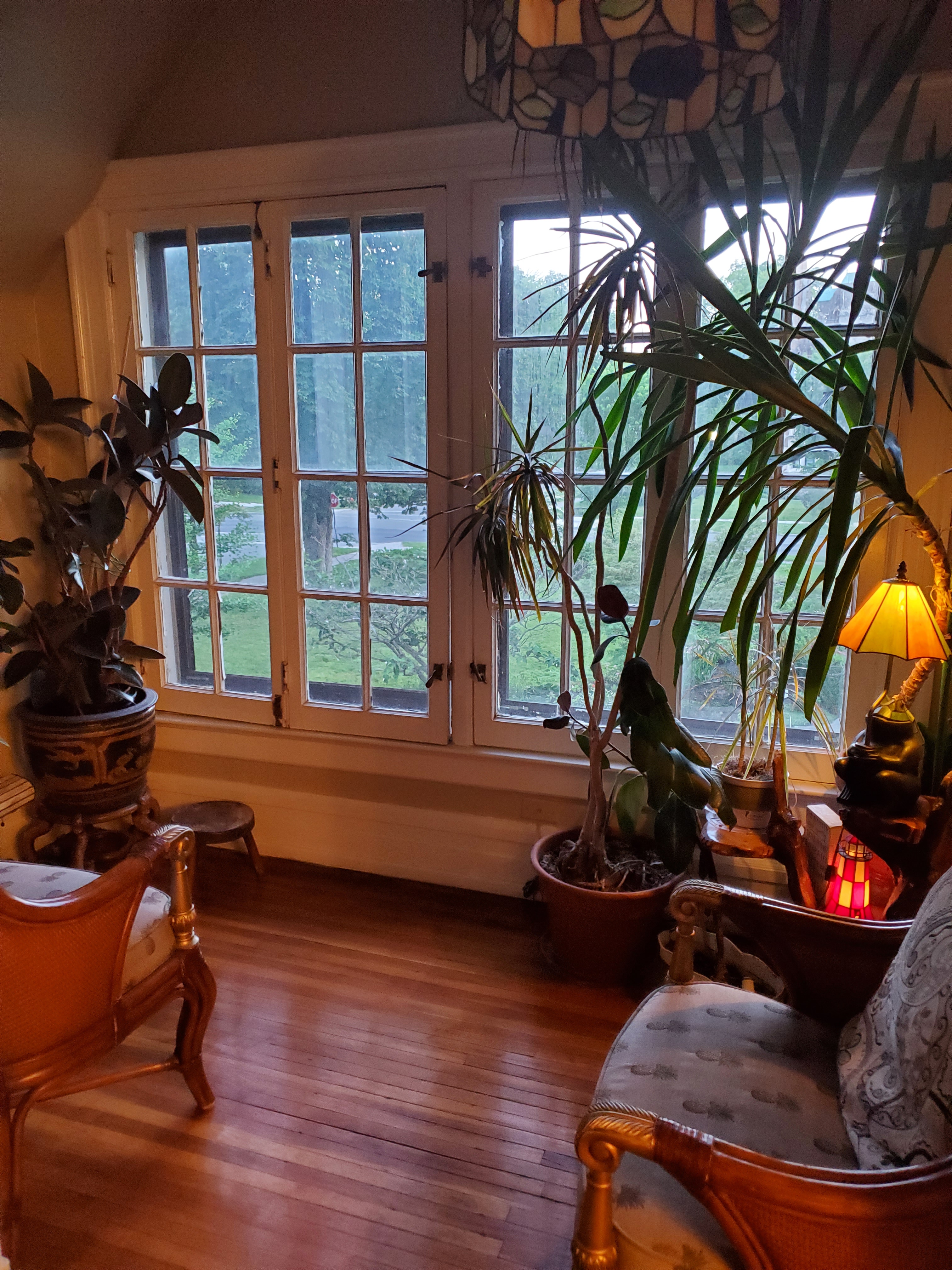
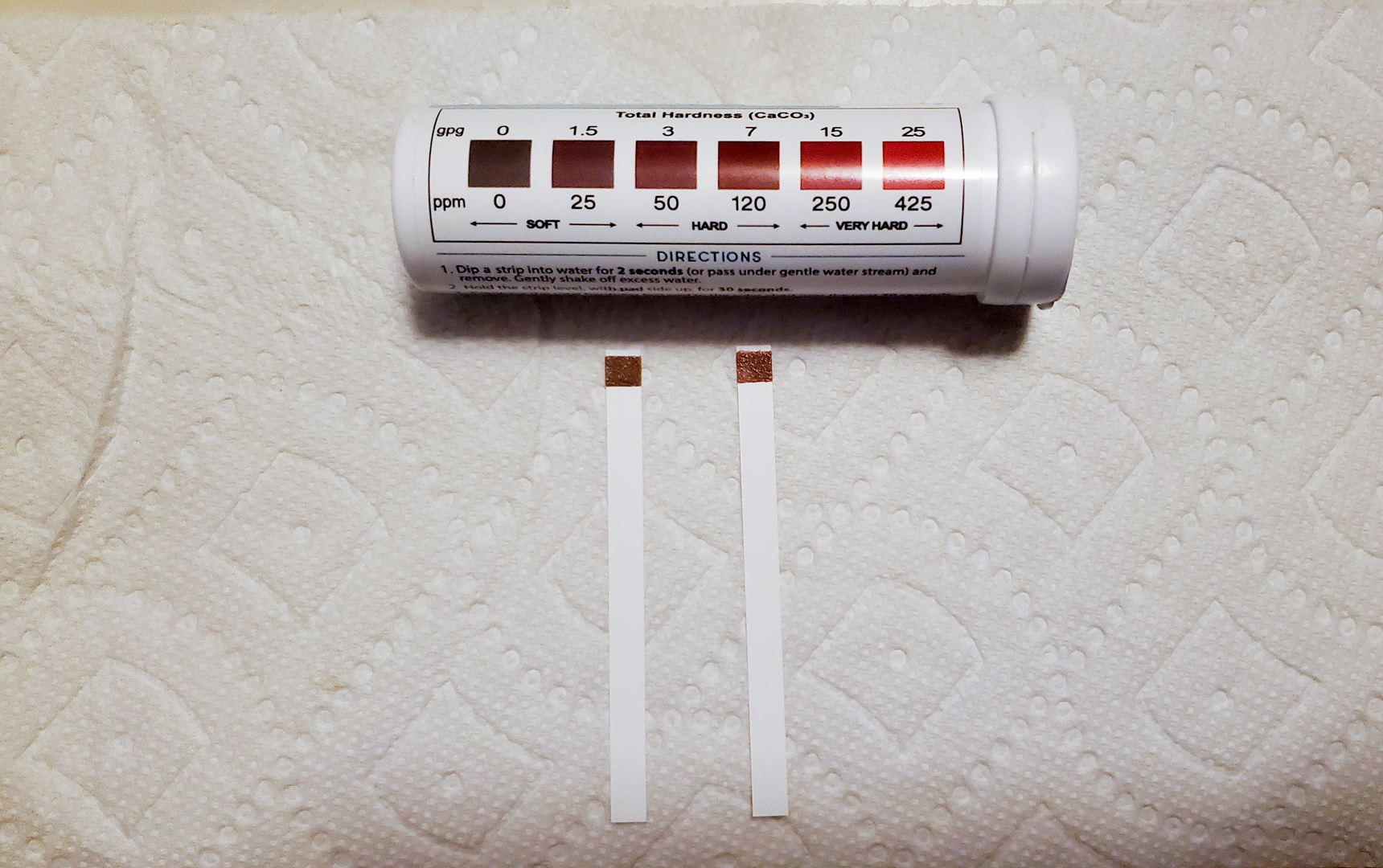
Our first stop was along a street packed with Victorian homes, old but well-maintained. As I set my kettle to boil, I performed the inaugural water test. The strips came back reading half as hard as the ones at home, landing in the “soft” zone. I finished brewing the tea, packed our thermoses, and set out on the road, hoping the tea would cool on our way east.
As we passed Cleveland, I took my first sip. The dark flavor profile had transformed into something clean and clear and the malty flavor was overtaken by notes of roasted nuts. I confirmed the taste with my partner, who agreed wholeheartedly about the presence of nuts in the car. Ribbing each other aside, we both sipped at our new nutty tea and wondered how drastically our tea might change over the course of the trip.
Gilbertsville, NY
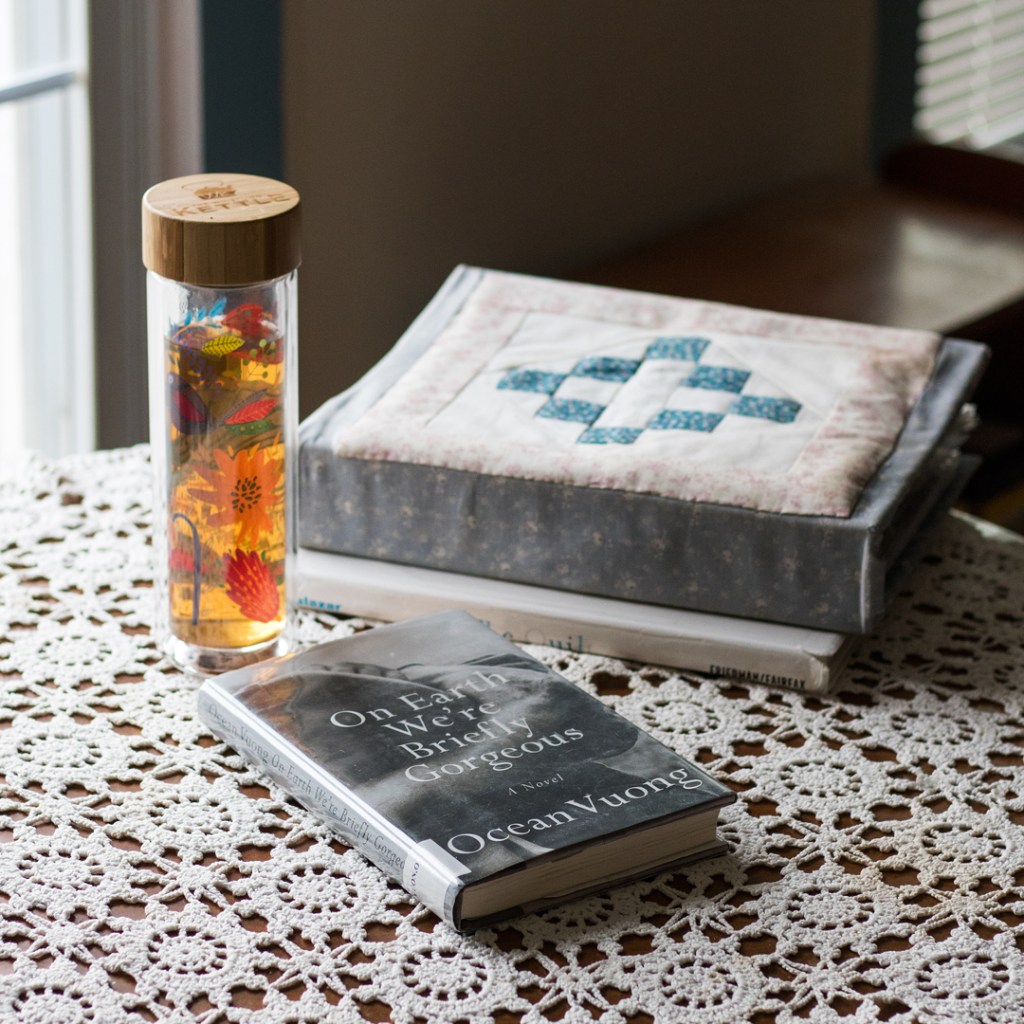
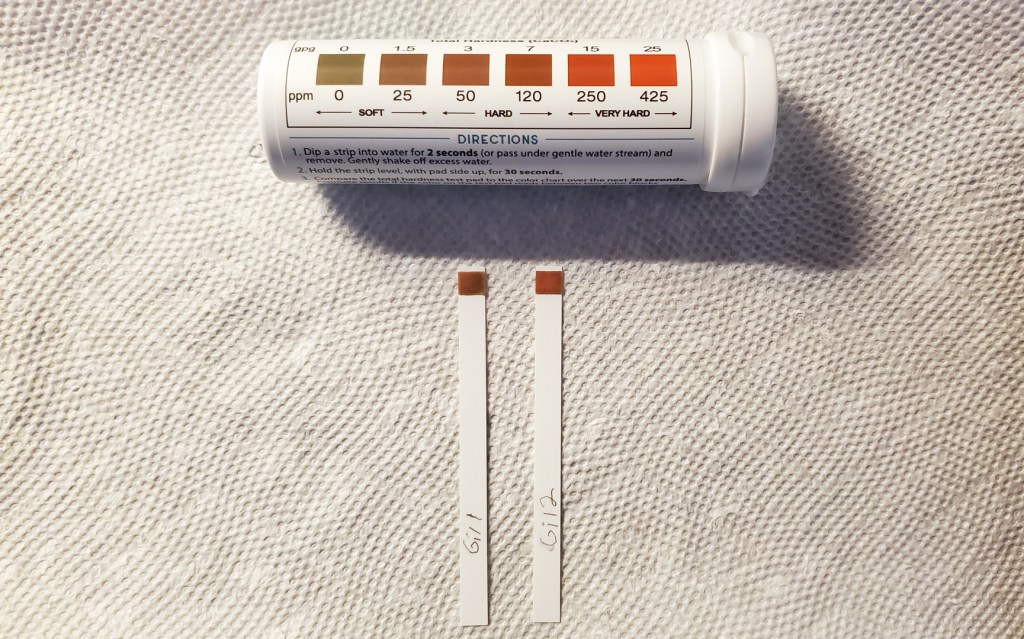
The next stop on our journey lay nestled in the hills of upstate New York, in the heart of a village’s small downtown. Handmade quilts lined the walls, the 80’s tiles cool and yellow under my feet as I tested at the sink. The strips seemed a little confused on this one. I settled on calling it “somewhere between home and Toledo” and started brewing.
My guess was, based on the water hardness strips, that the nutty flavor would be back. I was only half-right; the nutty flavor was there but muted, and something more bitter and vegetal had crept in. It reminded me of cooked green beans. A strange combination, but it didn’t stop me from drinking the tea. There were many miles between me and the coast and a little bit of mysterious vegetal taste wouldn’t slow me down.
Westbrook, ME
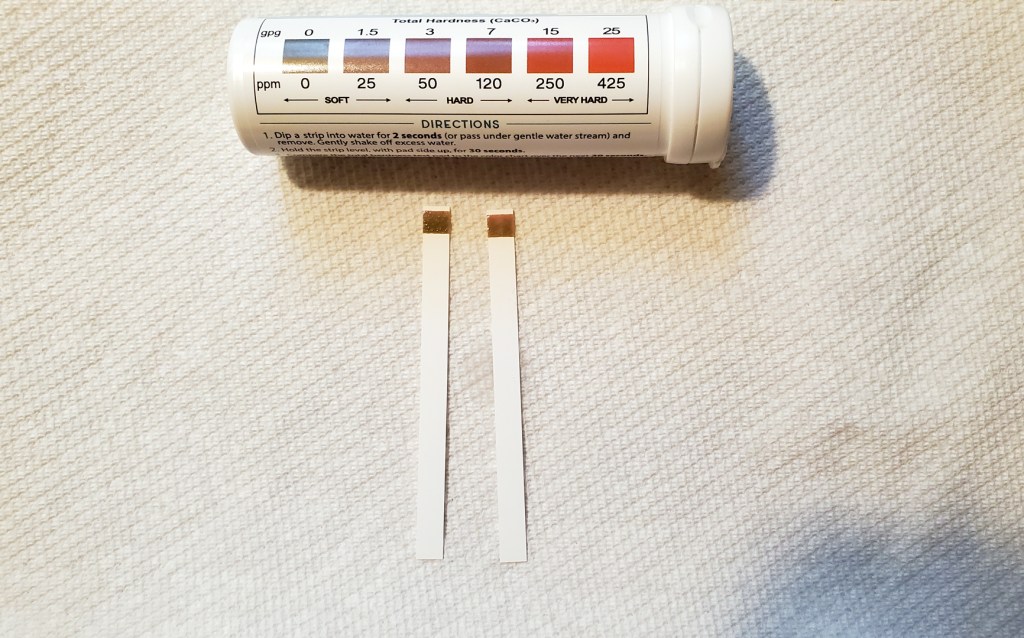
Coastal Maine is beautiful and our detached in-law suite, bright yellow and bathed in the sea breeze, was perfect. Well, almost perfect. Up on a high shelf, among other knick-knacks and tchotchke was a gorgeous English tea set. I reached up to grab it, thinking I’d use it to brew our tea, but found it covered in dust. Decorative only. Resigned once more to the thermos, I set the tea to brew while I tested the water. Soft again, close to Toledo’s measurement.
Confident I had this all figured out (oh sweet summer child), I took a sip on the road, ready for the nuttiness to be center stage once more. Instead, my lips puckered and my brows furrowed as I turned to my partner.
“Is this salty?”
My partner took a taste to confirm. Salt. Like breathing in the sea air, or getting some sea spray in your mouth as you walk into the Atlantic waves. The nuttiness was there, hanging in the back of the throat instead of at the tip of the tongue, and the dark, malty undertones had reappeared, but all of it was eclipsed by the surprise appearance of salt.
Medford, MA

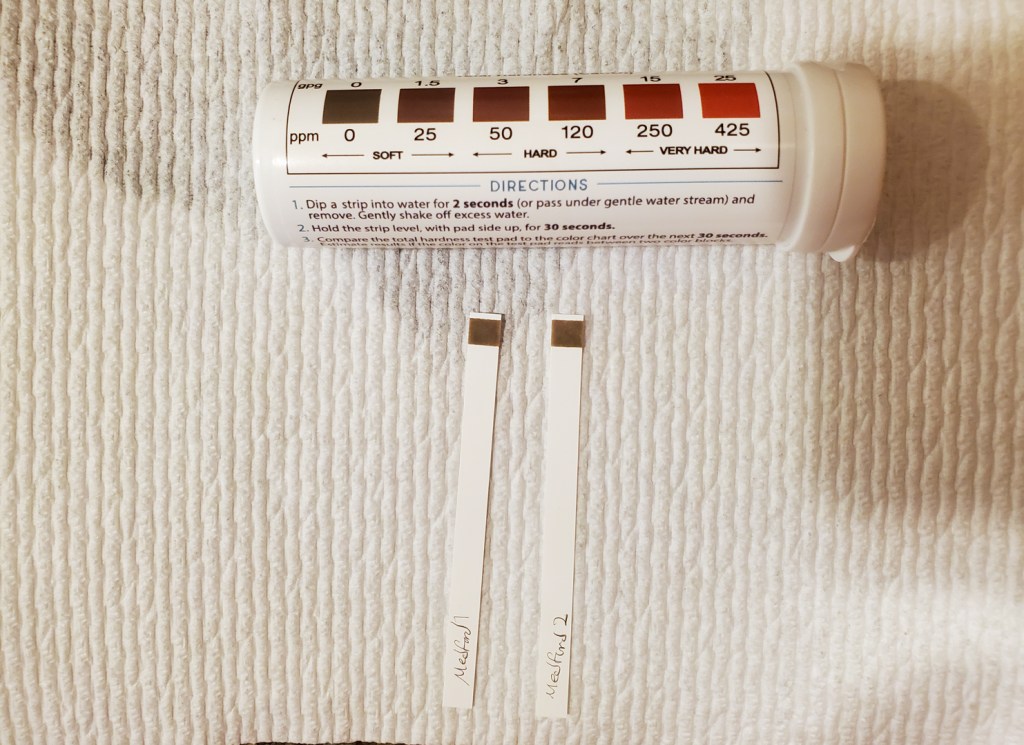
(I know this looks like 0 but the lighting was weird)
As someone who regularly takes trips to Chicago, it’s difficult to admit that I found Boston hard. Navigating, driving, and even getting admittance to buildings were all arduous tasks. Even our rental, a basement apartment, was hard to get to (I place the blame on half these things squarely on the shoulders of New England roads). The one thing that wasn’t hard? The water. As the kettle steamed and I watched the test strips change color, I’ll admit I was surprised by just how soft it was. My mind had equated bigger cities with harder water, like back home, but I was proven wrong.
Humbled by the last few days, I didn’t guess what the flavor might be and went in with no expectations. Very similar to Maine, salt spearheaded the taste while the rest of the flavors hung in the back of the mouth. This one was a bit maltier than the last, any trace of nuttiness fleeting at best. Driving onwards, I was happy to go further inland for our next stop and perhaps ditch the salt for a day or two.
Hartford, CT
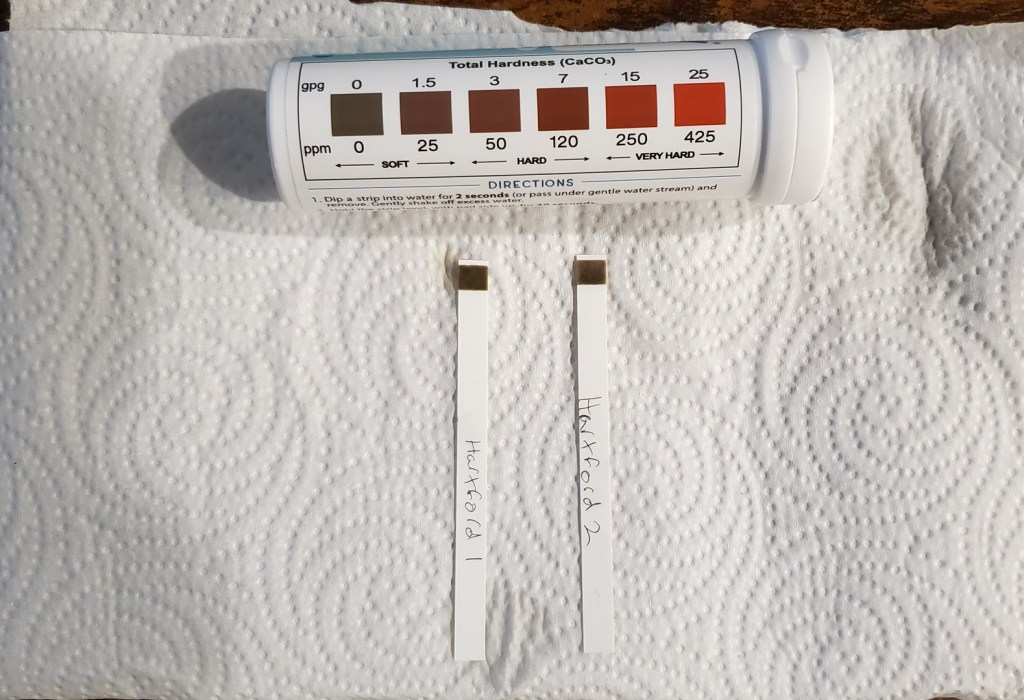
The two nights we spent in a small Hartford apartment were in the company of a good friend, seeing a show on the Hartford Stage, and exploring the surrounding nature reserves. Packing up to leave was bittersweet. Emotions shifted, though, when I saw those two brown squares on the water testing strips. Zero. The lowest I’d ever seen it. Packing was set aside for a moment as I searched for a water softener in the home. I never found one, but have to assume one was there. There was no way the water coming out of the tap would be naturally zero.
My excitement grew, realizing I would be tasting tea with no water hardness for the first time. The tea cooled and, with bated breath, I took the first sip in anticipation of something pure.
It was pure all right. Pure garbage.
It took everything I had to swallow the tea already in my mouth. I closed the cap to the thermos, moved it to the backseat cupholder, and dumped it at the next rest stop. It’s difficult to describe why it was so bad; all I remember is my animal brain screaming not to let it near my mouth again. In my notes I wrote “UGH”, “Metallic??”, and “Gross. DNF. Dumped”. I’d always known I was taking a risk when drinking unfiltered tap water, but clearly, softened water could be just as suspect.
Baltimore, MD

In another detached in-law suite, my dreams harbored in Maine came true: there was a functional English tea set for guest use. We shifted our plans, opting to be at our next destination a little later in order to sit down and have a cup of tea on the patio. Testing the water, I found it harder than any we had found so far on the trip. After the Heartbreak in Hartford, I didn’t mind seeing the harder numbers.
A little cautiously, I took my first sip at the rim of the teacup. My shoulders relaxed. It tasted like home. The dark, malty flavor was the main event for the first time on the trip, the tea round and soft on my tongue. There was a new note of sweet caramel, lending enough of a difference from the Control Group to make note of. We sat outside as the sun rose, sipping a small taste of home.
Washington DC

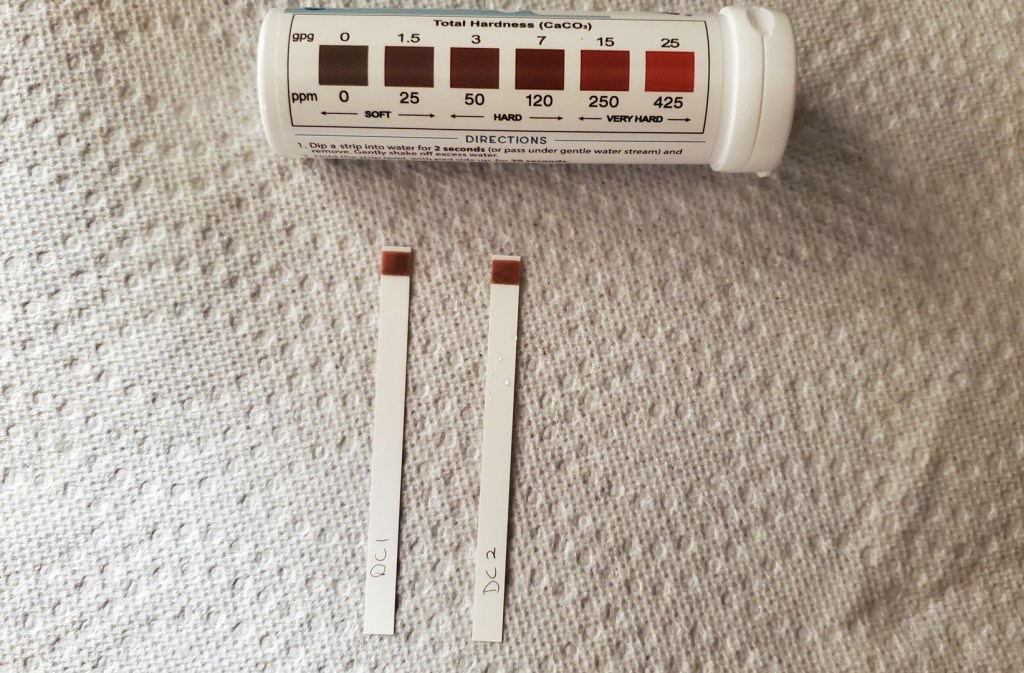
Our very last day of the trip was spent in the nation’s capital. Testing the water in our basement apartment, only a few blocks from the National Mall, was something I’d been looking forward to. What was the water like in the city that ran America? Turns out, nothing much different from Baltimore. The water measured the same hardness level and nothing screamed, “This is the seat of our country”. I brewed the tea and waved goodbye to the coast.
On the long road home, I drank the tea and found it identical to Baltimore’s. There was no real surprise there; the two cities practically run into each other. Still, I savored the caramel flavor, knowing it wasn’t something I’d easily replicate back in Illinois. I crossed state line after state line, reviewing the tasting notes from the trip and drinking my tea, happy to have run the experiment between sightseeing and walking along beaches.
At the end of the experiment, I was left with more questions than answers. My original hypothesis, that water in each city would taste different, wasn’t wrong. However, everything I did was based on water hardness and the information I’d collected was conflicting in that regard. How did Toledo, Gilbertsville, Westbrook, and Medford all have about the same water hardness but completely different tastes? Where did the caramel note come from in DC and Baltimore that I can’t replicate at home? Where do I even start with Hartford?
The saltiness of Westbrook and the vegetal taste in Gilbertsville were my first hints at what I might be missing. Water hardness, though it does measure other minerals, primarily focuses on calcium and magnesium. What about everything else? Does groundwater taste different from well water? Would groundwater in the Midwest taste different than groundwater less than fifty miles from the Atlantic? And what about the pipes and the infrastructure that was delivering my water? Were they old lead pipes? New PVC?
All these questions led me to my conclusion: water hardness is only one factor in the entire composition of water that can affect changes in taste. Yes, the groundwater in Maine is probably affected by the makeup of the earth and the water cycle that picks up water from the ocean. Yes, the home in Gilbertsville probably hasn’t had a plumbing update, much like the rest of the house, in thirty to forty years. All these things likely affected the water content and changed the way my tea tasted. Water hardness alone can only measure so much.
What did I learn from my experiment? That water is weird. Everything in it can change from one house to the next, and there’s no guarantee that the tea you brew today will taste the same tomorrow. Until I can access a more rigorous testing method, I’ll keep tasting tap water wherever I go to see what I might be missing out on. Tea is an adventure, from the budding of the leaf to water being boiled, and we tea drinkers are all on a journey to discover its mysteries together.
 Tea Reads
3 thoughts on “Testing the Waters”