Chinese teas make up the bulk of my tea shelves. As the top tea-producing country in the world, that isn’t much of a surprise. Our shelves mirror the market, and we become familiar with the most accessible teas we can buy. Sure I have some teas from Taiwan, a couple from India, and the other countries that regularly make it into the top ten tea producers in the world, but one of those top ten holds more mystery for me than the others.
Japan likes to hang around number seven or eight on most tea production lists. There’s a catch, though: even though Japan produces a lot of tea, most of it never gets sold on the international market. Outside of matcha and the occasional sencha or hojicha, Japan’s tea products stay in domestic retail. It’s why, even when you go into specialty tea shops, you rarely see more than some matcha and one or two senchas in the Japanese section. The first time I tried a Japanese sencha- really tried, since I’d been having issues with my water hardness– I was hit with completely novel flavors I’d never known existed in tea. It was buttery, savory, and introduced me to umami. The experience forced me to reconsider what tea could be.
Ever since, I’ve been trying to vary my tea shelf, balancing origins and purposefully searching for Japanese teas to try. When Nio Teas reached out to me on Instagram, offering to send some Japanese tea my way in exchange for a review on this blog, I leaped at the opportunity. So much of Japanese tea is an uncharted map for me, one with large, empty spaces I’ve yet to explore. With their recommendations in hand, I dove in. I wasn’t disappointed.
Yamaga no Sato, Fukamushi Sencha: Steeped at 160॰F for 1 minute
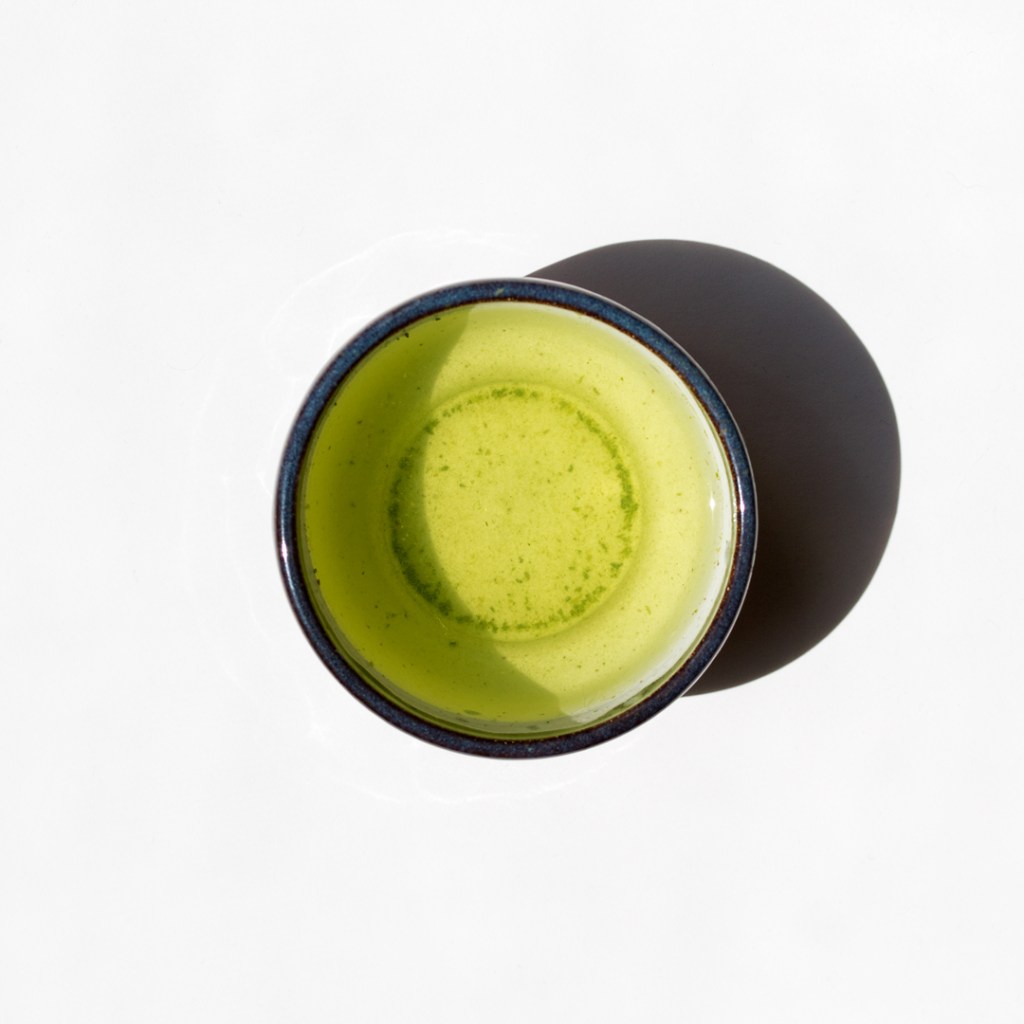
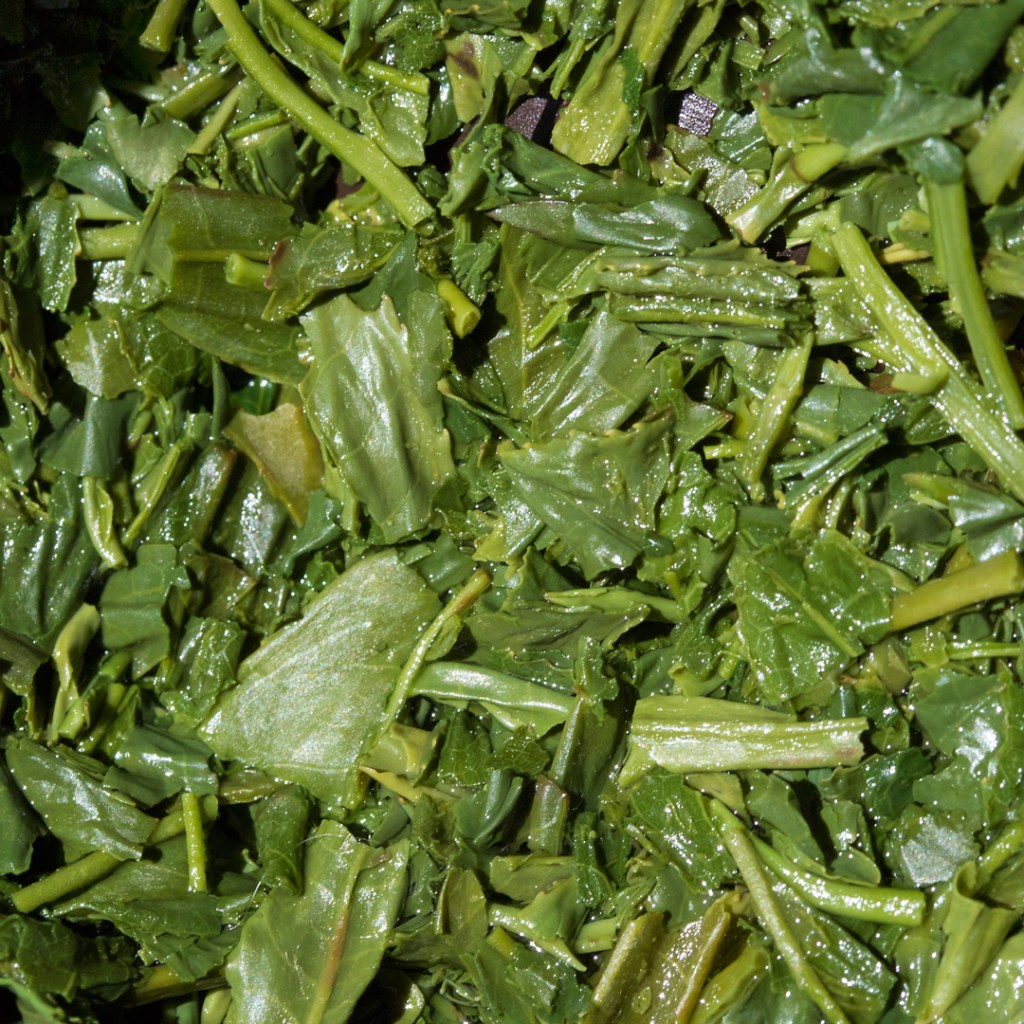
Almost all the Japanese teas I’ve tasted have been senchas. I’ve had a few hojichas, kyobancha, and some matchas, but the rest? All sencha. Senchas of different cultivars, senchas processed in different ways, senchas with the stems still hanging on. The variety in taste is enormous, something I didn’t even think possible for one “type” of tea. Yet here was another, ready to upend my expectations.
While all senchas undergo steaming, Fukamushi sencha is called “deep steamed sencha” for a reason: the leaves undergo up to two or three times more steaming than regular senchas do. This extra steaming alters the flavor and the color, the leaves turning a dark, rich green I normally don’t associate with sencha.
The open bag wafted a deep vegetal smell as I prepared my water. It reminded me of damp earth, bitter greens, and the smell of the sea, though distant. I poured my water into the kyusu at 160॰F and let it sit for one minute. When it was time to pour, the liquor flowing out of the spout was a cloudy yellow-green. As the tea settled, I cleared my mind of expectations and prepared for the first sip.
My initial reaction was light surprise. The smell of the dry leaf had prepared me for something more bitter or savory. Instead, even with a relatively robust umami flavor, I noticed the grassy, vegetal taste first and dried fruit second. Yes. Dried fruit. That tangy sweetness was light on my tongue and vanished the moment I swallowed. I brewed two more times at twenty seconds each. Each time the sweetness played along my tongue just long enough for me to recognize it before it slipped down my throat. By the third steep, the flavors had become muted, and I moved to finish my notes.
One thing that stood out when reading about this tea on Nio’s website was that it makes a delicious cold brew. While I still haven’t gone and bought an ice tray (and thus can’t make cold brew the traditional way), I did do an overnight cold brew in the fridge. The resulting brew was much more vegetal but maintained its lightness. It also gave me a hell of a caffeine punch- I was more productive that morning than I’d been all week. It was a tidy end to a delicious tea tasting.
Cha Meijin, Gyokuro: Steeped at 140॰F for 2 minutes
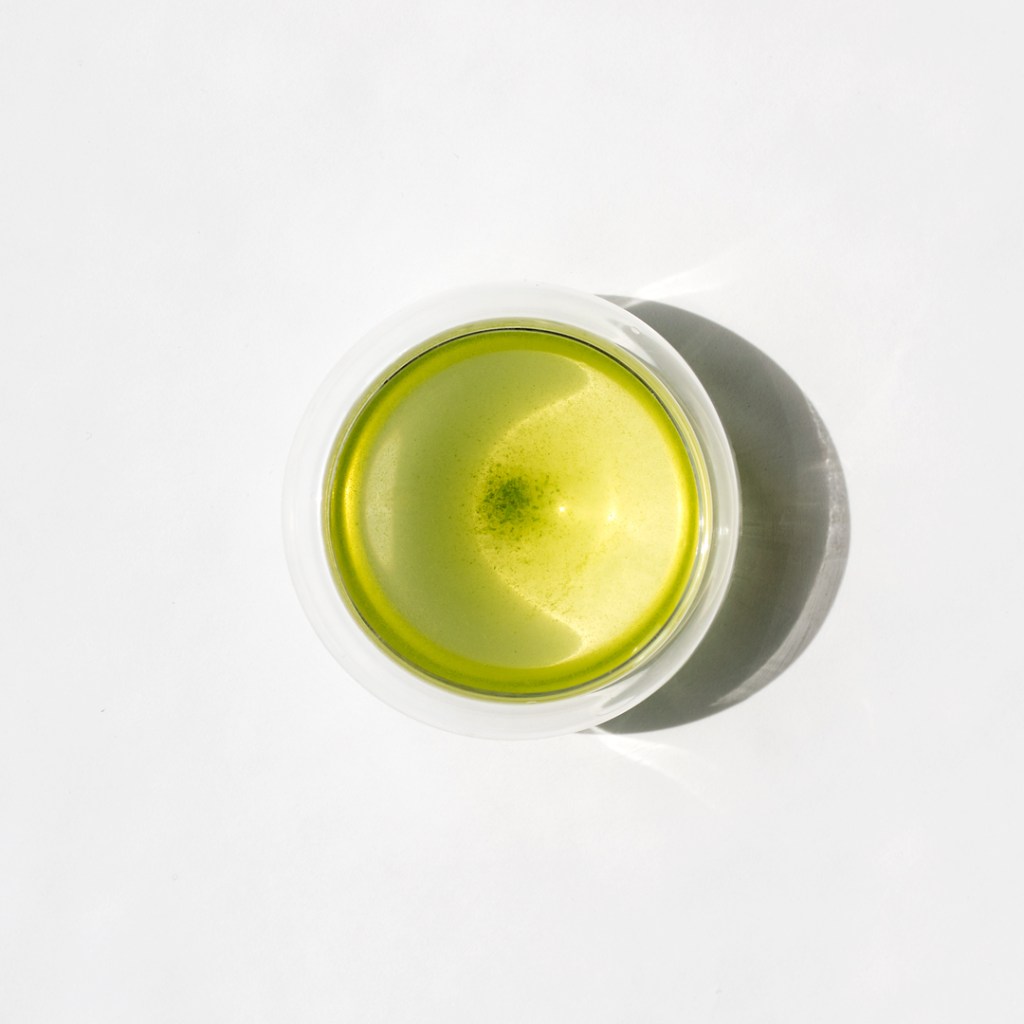
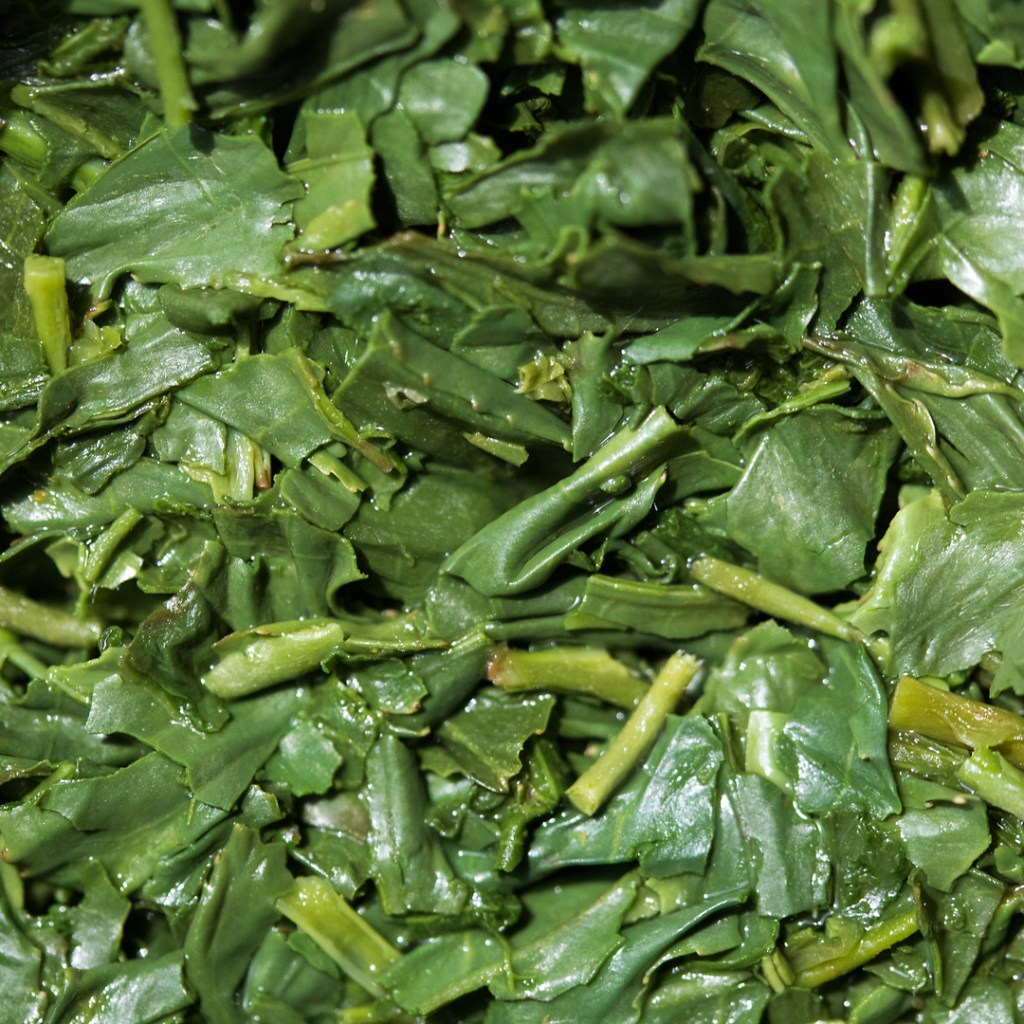
There’s been one Japanese tea on my “To Try” list for longer than I’d like: Gyokuro. Gyokuro tea bushes are cultivated much the same as other Japanese teas until about three weeks before harvest. At this time, huge scaffolding is erected in the tea fields to shade the plants, forcing the tea leaves to survive the next three weeks with very little sun. In response to the lack of sunlight, the leaves make more chlorophyll, turning dark green and altering the flavor. When harvest time comes around, premium gyokuro is made only from the top few leaves and buds. This means that the end product from a gyokuro tea tree is much less than other trees used for lower-grade teas.
To put it simply, gyokuro takes a lot of care for not a lot of product. So the price? Well. There’s a reason it was on my list for so long. Gyokuro is a tad expensive. And as much as I love tea, I do need to buy food sometimes.
Expensive tea now in hand, I very carefully read the brewing instructions. Twice. It was hard for me to believe that it would steep at such a low temperature. All the sources I checked confirmed it, though, so I poured the water into the kyusu at a cool 140॰F. While the tea steeped, I opened the bag again to smell the dry leaf. Sweet. Vaguely nutty. The two minutes passed, and I poured the tea, a misty green, the leaf detritus catching the sunlight as it settled to the bottom of my cup.
The intense umami nearly knocked me off my feet. That thick, savory flavor was all I could taste at first, hanging in my mouth and coating my throat on the way down. The aftertaste lingered and, between sips, gave me time to look past the umami and discover the other notes that lay below, hiding. There was a dark sweetness, warm and smooth that hovered in the back of my throat. In the second and third steeps, each only twenty seconds, the umami waned, and the warm sweetness came to the forefront. The brothy liquid mellowed and lightened and, by the third steep, no longer stuck to my insides like a good soup. I finished my notes, allowing the last sip to sit on my tongue a moment longer, and finished the session.
I was curious to see how this bold tea would translate into a cold brew. Fresh leaves sat in the fridge overnight and in the morning provided me with a vegetal and grassy kick-in-the-pants. Most of the umami didn’t make it, but that was okay. It woke me up, gave me a different kind of cold brew flavor than I was used to, and made for a nice end to my Japanese tasting adventure.
And that is what this was- an adventure. A few more blank spaces have been sketched in on my Japanese tea tasting map, and I end my journey having learned a lot about the two new-to-me types of tea. Much of that learning came from Nio Tea’s blog posts, where they have a variety of posts talking about different kinds of tea, their production, and the farms they work with. Their Instagram also has several instructional and informational videos about different Japanese teas and how to brew them. If you’re interested, I’d give them a look!
In the end, I’m thankful for the chance to go on new tea adventures with all of you. May we all fill in our tea shelves, slowly and mindfully, and continue to grow with the experiences we find along the way. Happy sipping!
 Tea Reads