I’ve always found winter to be a miserable season. The cold, sunless skies and the frigid temperatures don’t agree with me, forcing me to wear robes, slippers, and blankets around my shoulders even as I sit next to the heating vents in my home. Nothing I do is enough to warm me through. I’ve only found one cure that will banish the ever-present chill of winter for more than a moment: a cup of hot tea.
Holding a mug of hot tea in my hands as the world outside glitters with snow and ice is one of winter’s few pleasures. It heats you straight through, from the steam that tickles at your cheeks to the way the heat spreads through your body on its way to your stomach. No other feeling compares, and nothing else will do when I’m wallowing in the depths of January.
Unfortunately, this feeling doesn’t translate well into the summer months.
I love summer and its heat. It’s the one time of the year when I truly feel comfortable, even deep into an August heatwave (as I am now, watching the thermometer hover around the 100-degree mark). But even I have to concede that hot tea isn’t my first choice once the sun’s beating down. Just like in the winter, the best way to relieve yourself of the extremes of the season is to drink something of opposing nature; in this case, cold tea.
While it’s simple enough to make a cup of hot tea, cold tea requires some extra effort and planning, which tends to make the practice underutilized. It’s a shame. Cold tea, especially when brewed from quality single-origin or whole-leaf blends, can open up entirely new realms of flavor and texture to the tea experience. Depending on how you brew, a once bitter, dark tea can become sweet and light. Already delicate teas can offer new floral or vegetal notes not found in the hot brews. A change in temperature, much like a change in seasons, can offer a completely new experience, one that makes cold tea perfect for summertime sipping.
There are many ways to create a cup of cold tea, but in this post, I’ll talk about the main three: icing, cold brewing, and the Japanese method of koridashi.
Iced Tea
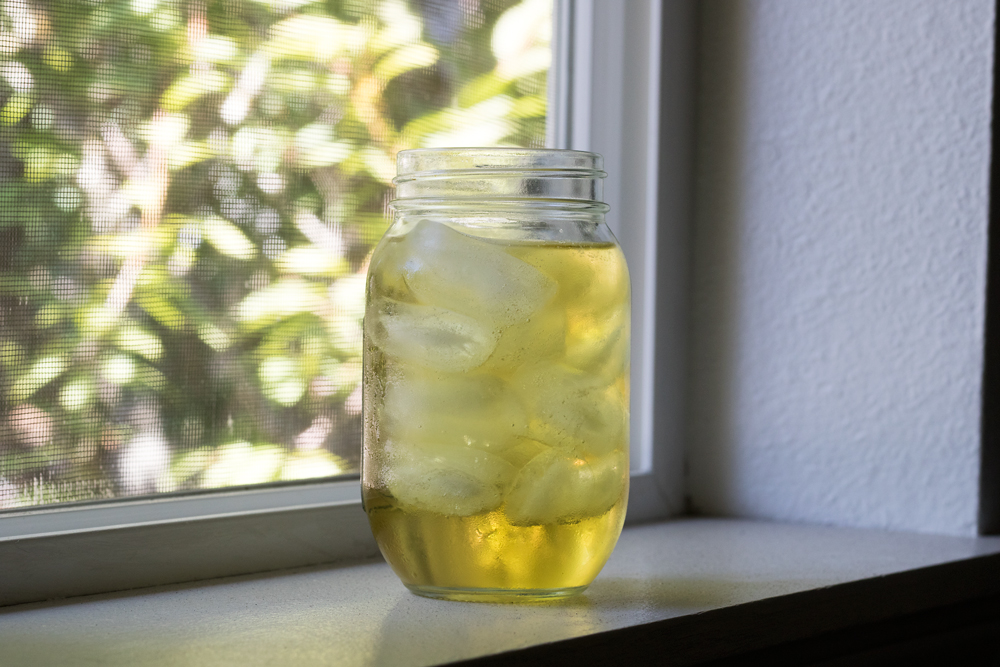
Before I begin talking about iced tea, it’s important I clarify that I am not talking about American iced tea. Iced tea, also called sweet tea, is a type of cold, sugary black tea drunk by the American public in such a voracious fashion that it’s sold in gallon jugs or pre-mixed with lemonade in grocery stores across the nation. The problem is, American iced tea is steeped (ha) in such a rich culture and contains so much history that it deserves its own deep dive. It’s not something I can quickly cover on my journey through cold tea.
With American iced tea out of the way, that frees up the term “iced tea” to mean exactly what it says: tea that has been iced. Making iced tea is one of the simplest ways to make a cup of cold tea, as all it requires is brewing your favorite tea and pouring it over a cup of ice. The result will be a quick, cold cup of your favorite tea, with all the flavors of a hot brew still intact.
That said, icing tea can be one of the most finicky– and, frankly, disappointing– ways of making a cold cup of tea. By brewing the tea hot and then pouring over ice, the high temperature of the brew immediately melts the ice, diluting the flavors. It also isn’t guaranteed to be chilled; depending on your glass size, the amount of ice, and the brewing temperature, you’ll likely end up with a cup of tea that leans more towards the lukewarm than cold.
If you’re dedicated to icing your tea though, there are a few ways to maneuver around these issues. They take a little more time but can make the finished product more rewarding:
- Let Your Tea Cool: Instead of immediately pouring your freshly-brewed tea over ice, let the tea sit at room temperature until it cools. If you have the time, you can even place your cooled tea in the fridge to chill further. Once your tea is no longer hot, pour over your cup of ice. By letting the tea cool first, the ice will melt more slowly and ensure your cup is cold instead of room temperature.
- Make Tea Ice Cubes: With modern freezers, you can freeze almost anything– including tea! Brew a separate serving of the tea you plan on drinking cold and pour the contents into an ice cube tray. Place in the freezer and allow time for the tea to freeze. When ready, brew your tea again and pour over a cup of your tea ice cubes. This method takes a bit more preparation and forethought but allows you to enjoy an iced cup of tea without worrying about flavor dilution.
Cold Brew Tea
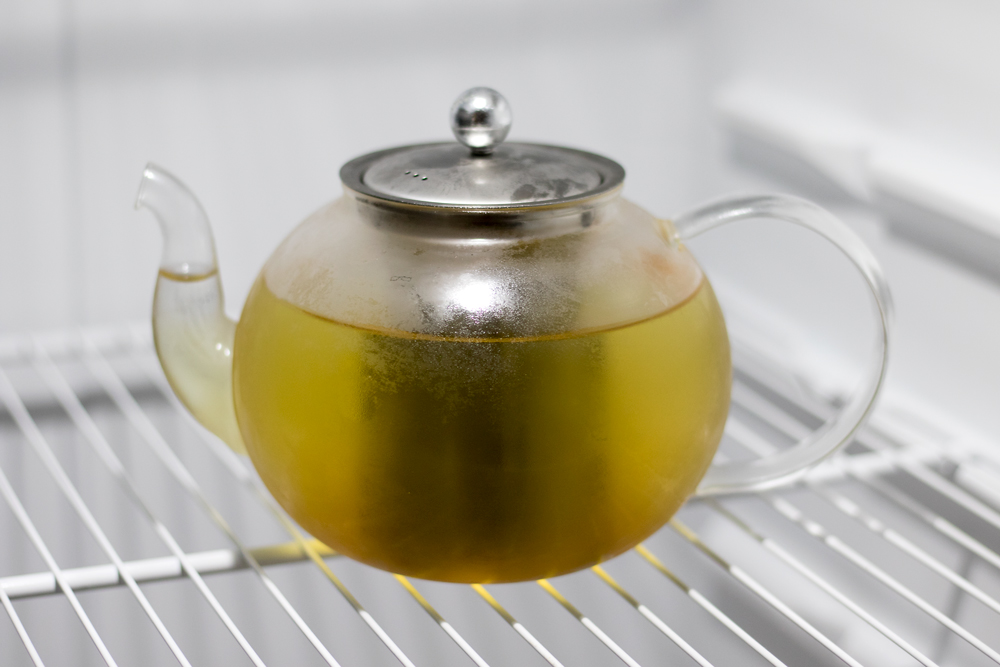
If iced tea is fast but fussy, the opposite can be said for cold brew tea. This method of making a cold cup of tea can take anywhere from 6 to 14 hours at a time, but every cup will be reliably chilled and full of unique flavor. All it takes is adding tea leaves to your favorite brewing vessel, filling it with cold water, and leaving it in the fridge. So long as you stick to the same recommended leaf-to-water ratio as you would while brewing hot, you’ll find your cold-brewed cup full of new flavors and tasting notes once enough time has passed.
The long steep time is essential to the creation of a cold brew. Cold water molecules move at a much slower pace than their hot water molecule brethren, meaning the steeping process is more leisurely and gentle than when brewing hot. It takes longer for the cold water to tackle the tannins and the caffeine present in a tea leaf, resulting in cold-brewed tea being sweeter, less astringent, and less caffeinated than a typical cup of hot tea. This method can reveal new flavors that are normally overrun by the over-excited hot water molecules, adding an extra dimension to your favorite tea that you may have never tasted before.
Cold brewing works for every type of tea, though your results will vary based on your leaf-to-water ratio, the time spent in the fridge, and whether you brewed your leaves in hot water before repurposing them for a cold brew (something I do often with sheng puer that still has a bit of kick at the end of a session). The best way to play with cold brew tea is to prep your vessel and stick it in the fridge right before bed. The tea will steep while you sleep, letting you enjoy the revitalizing result of your experiment without the feeling of waiting forever for your next cup.
Koridashi
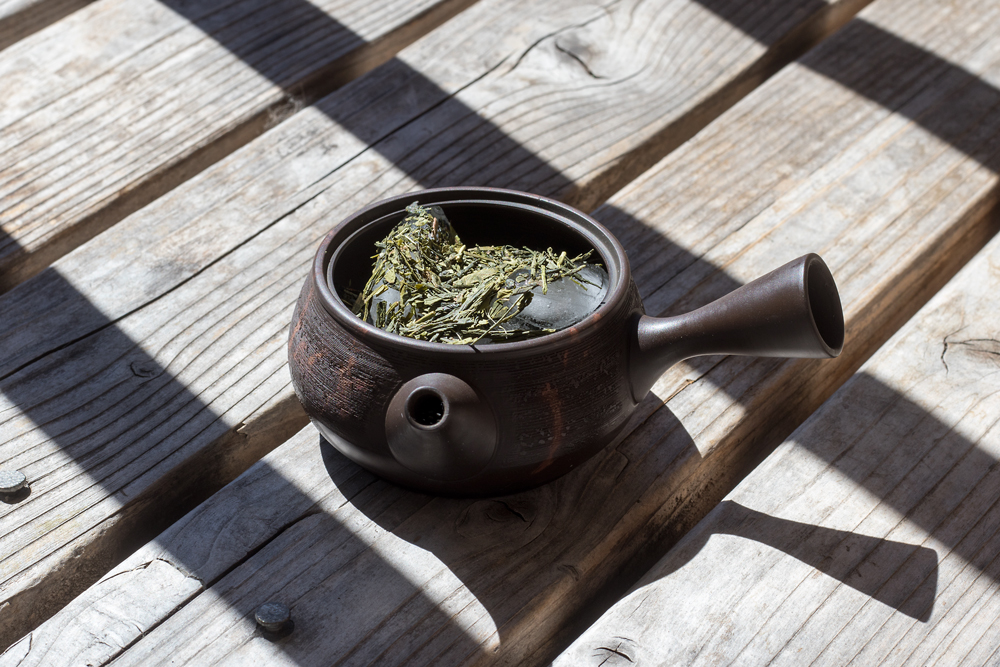
Originating in Japan, the cold brewing method of Koridashi requires only four items: a brewing vessel, ice, your favorite Japanese green tea, and a hot day. That said, I believe many guides to this method leave out an integral ingredient– patience.
Koridashi itself is simple. Fill your brewing vessel with ice cubes (preferably made from distilled or spring water; gas station ice won’t lend itself to a good brew), sprinkle your green tea on top of the ice, and allow the vessel to sit outside in the sun. From there, the summer heat will do the brewing work for you, melting the cubes and rehydrating the leaves to release their tasty goodness. I say pack some patience because, when I brew with this method, I always think it will be quicker than it is. Even on the hottest days in direct sunlight, ice can take a surprisingly long time to melt. I recommend brewing with a friend or book (like this month’s All About Love: New Visions by bell hooks) for some company while you wait. Once the ice melts, you can pour yourself a cup of highly concentrated, ice-cold tea. Japanese greens, especially shaded teas such as gyokuro, lend themselves well to Koridashi, the leaves packing an umami punch that can leave you invigorated after a half hour to an hour of lazing in the sun.
While summer is winding down for the year, there’s still quite a bit left to go. Take this opportunity to experiment with cold brewing and icing methods for your favorite teas and see how the temperature change alters your tea-drinking experience. If you’re like me, you’ll find the reward is well worth the extra effort. Until next time, happy reading and happy sipping– stay cool!
 Tea Reads