Like many popular drinks, tea caters to a wide spectrum of tastes. Those venturing into the world of tea for the first time tend to pick teas that are sweet or teas that do well with the addition of milk, sugar, or honey. It’s similar to a fresh-faced 21-year-old going to the bar and ordering a Mike’s Hard Lemonade or a teenager getting their first chocolate frappuccino– we gravitate towards the flavor profile that brings the most immediate pleasure as we experiment with the unfamiliar. But, the more we indulge in these drinks, the more curious we are about what flavors they can offer. It’s how folks go from drinking white wine coolers to regional pinot noirs or from pumpkin-spice lattes to grinding black coffee beans from specialty shops; the more of a drink we consume, the more our palettes can identify new, exciting tastes that were once walled off by inexperience.
As it was, my pantry shelves at the start of my tea journey were filled with blends and sweet, floral teas: lavender or rose-petal black teas, jasmine oolongs, white peony teas. But between discovering (and solving) my hard water issue and joining a tea club built around aged and unique single-origin teas, I fell hard into puer. My flowery oolongs, whites, greens, and blends now felt too saccharine, and I passed them over more often than not when preparing a cup. Many of their tins sat gathering dust until company was over or until the heat of the summer forced me into cold brewing. They weren’t bad teas. They just weren’t what I was interested in drinking anymore.
Recently, I started thinking more about the teas I’d abandoned in my dive into puer. With a chance discovery of an oolong grown and processed in New Zealand and my first tea fest experiences driving home how large the oolong market is, I wondered if I hadn’t skipped over some of the complexity my abandoned teas had to offer. So, when iTeaworld began slinging samples at every tea enthusiast they could find in the Instagram tea community, I saw their offer for a review as a chance to dip back into the world of sweeter tea. Opting for their oolong tasting box, I was sent a large sampling pack of four teas: Tie Guan Yin, Minnan Narcissus, Fenghuan Dancong, and Dao Hong Pao. Here’s what I discovered:
Tie Guan Yin
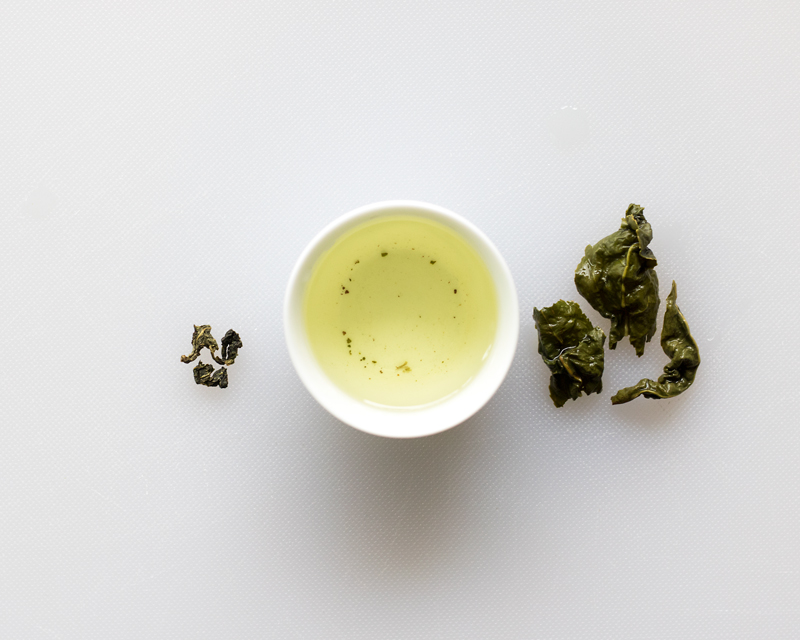
Tie Guan Yin, also called Iron Goddess of Mercy, is a tea I’ve reflected on before. It’s a popular tea, and for good reason– its light floral taste and buttery mouthfeel make it palatable to nearly every tea drinker’s tastes. And, aside from a lack of smooth butteriness, that’s what the first steep of iTeaworld’s contribution to the category tasted like. Sweet. Lightly floral. Refreshing.
And then I poured the second steep.
On the website, iTeaworld’s description for the tea reads, “It is like sipping a cup full of brilliant spring flowers,” and I’d have to agree. The light flowery taste of the first steep evolved between pours into a more concentrated, almost overwhelming, profile. This profile sadly lacked the tastes I’d been anticipating, with no butter and no slight vegetal bitterness to round out the flower power that seemed to pervade the cup. As the session continued, some of the dark, snap-pea flavor I’d initially expected did appear, but not in the same balancing way I’d experienced before. While not a bad Tie Guan Yin, this tea didn’t quite hit the notes I’d been hoping for while being slightly too cloying for my tastes.
Minnan Narcissus
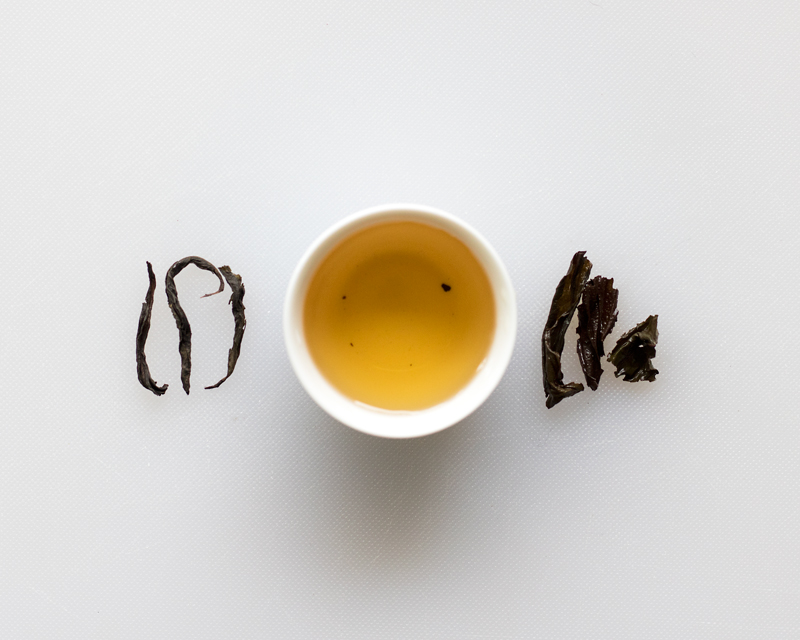
As I’ve mentioned in previous reviews, I’m a sucker for dramatic names. That’s why the Minnan Narcissus stood out amongst the other oolongs, a tea name with a mouthfeel that felt at home in poetry. However, the fun name gave me little indication of what was in store for my cup. I’d never heard of Minnan Narcissus before, and the only hint the iTeaworld website could give was that it had a “distinct orchid taste”. So, unlike the rest of the teas in the box, which had familiar names, I went into my first cup blind.
Much like the Tie Guan Yin, the first pour of the Minnan Narcissus felt balanced, with an earthy profile that hit the back of the throat mixed with a light floral sweetness that tickled the tip of the tongue. But, like the previous tea, the second steep seemed to do away with any complexity. From the second pour onward, the session was primarily floral, though in a darker, more mineral way than the lighter, airier Tie Guan Yin. The later steeps didn’t unlock any new flavors, but the last steep did surprise me; after pouring water into my gaiwan, I got pulled into a task that led me to forget about my session for more than an hour. I ended up letting the Minnan Narcissus steep the entire time and only discovered it as I was cleaning up. After some light egging on from my roommate, I poured an oversteeped cup for everyone in the house, expecting a bitter, floral monstrosity. Instead, we discovered that the tea had held up incredibly well, its liquor still smooth and flavorful. While it may not have been my favorite tea, it did make a case for itself in its resilience, providing a sweeter option for grandpa-style brewing.
Fenghuang Dancong
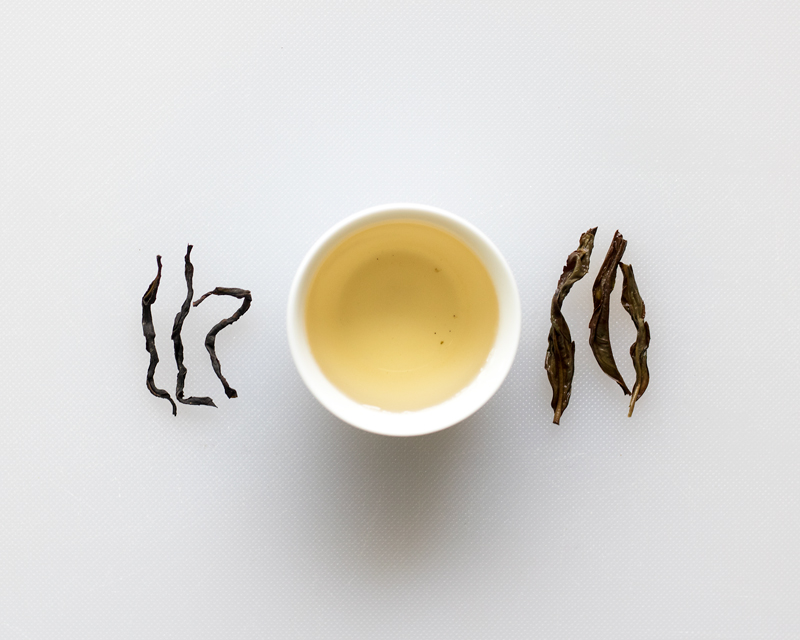
When reading the profile for iTeaworld’s Fenghuang Dancong, I discovered that, unlike the rest of the samples that were grown and processed in Fujian, this oolong originated from Guangdong. While not far from Fujian, I wondered if the difference in terroir and processing might set the Fenghuang Dancong apart from the previous two teas which were also described as “floral”. The first steep held my answer. While floral, this oolong presented less as sweet flower petals and more like the scent of a wild prairie on a windy day. Hints of maltiness, wheat, and damp earth hit different parts of my palette, the dark florals balancing out an overall round, smooth liquor.
This full-body flavor persisted from the first steep to the eighth, somewhat stagnating between pours five and seven. As I took notes, I kept my eye on iTeaworld’s tasting profile which, to my surprise, listed “honey”. I felt it was an inapt description until suddenly, at steep eight, I found a pop of honey spreading across my tongue. Where this honey flavor had been hiding and why it’d waited so long to show itself, I didn’t know– but the honey flavor now came through strongly for the rest of the session, an intriguing development that put the tea near the top of my tasting list.
Dao Hong Pao
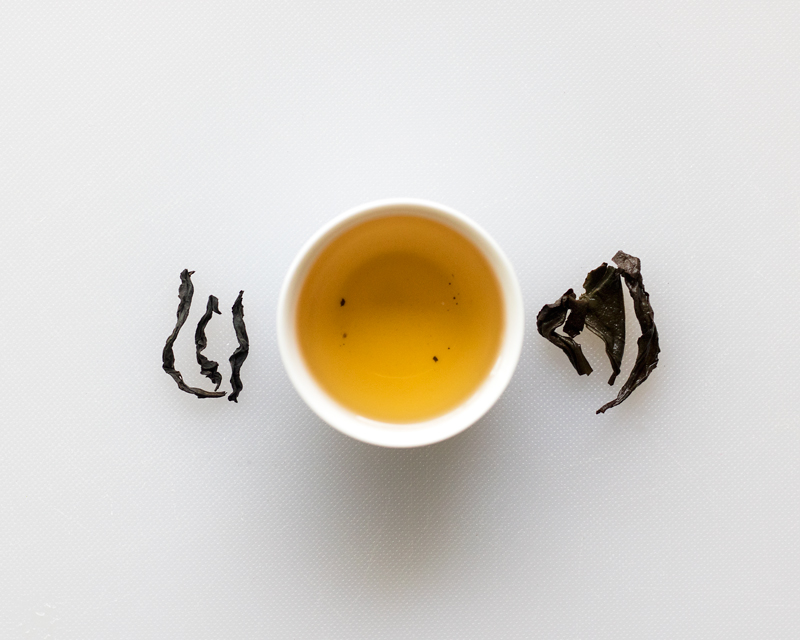
I always try to save the tea I’m most interested in for last, and the Dao Hong Pao didn’t disappoint. Also known as “Big Red Robe”, iTeaworld’s Dao Hong Pao had the highest oxidation level of the selection, leaving descriptors like “floral” behind in its quest for a darker, more mineral taste. Opening the packet of tea, I found the dry leaf smelled keenly of earth, an aroma that translated well into the first steep. As the session continued, I found the minerality of the liquor cut a sharp profile even as the body of the tea retained a creamy, smooth feel across the tongue. New flavors evolved as the steeps began to stack, with a distinct maltiness slowly invading each progressive cup and a somewhat sweet, almost fermented taste leading me to write “Plums???” in the edges of my notes.
To try and identify that slightly sweet taste that eluded me during the initial session, I threw the spent leaves in the fridge overnight for a cold brew. When I took a sip the next day, the sweet taste still eluded me but the malt flavor and tingle of mineral taste remained, making for a refreshing sip. Altogether, even while I couldn’t fully label every taste the Dao Hong Pao provided, I found this tea to be the most engaging of the samples.
While I know that four oolongs from one company are not representative of the entire variety, this return to teas I’d been neglecting reminded me of why I’d turned to tea in the first place. Even in a limited sample box of oolongs, I found a wide range of tastes, flavors, and profiles, all unique and ready to please new and experienced tea drinkers alike. That said, I still prefer the astringency of young sheng and the mustiness of an aged shou, and I may rarely return to my more floral, sweet oolongs. But that doesn’t diminish their importance. After all, what coffee drinker doesn’t like indulging in a whipped chocolate frappuccino every once in a while? What dry red wine drinker doesn’t enjoy a sweeter white paired with some fancy cheeses? These sweeter, less complex teas brought me into the world of tea, and they’ll always have a place on my shelf.
Until next time, friends, happy reading and happy sipping!
 Tea Reads